5 Effective Behavioral Smoking Habit Replacement Tools to Try Today
Why Traditional Smoking Cessation Methods Fall Short
Quitting smoking means confronting both the physical and behavioral dimensions of the habit. Many people focus only on nicotine replacement or medication, overlooking the fact that smoking is deeply embedded as an oral behavior and a stress-relief ritual. We've found that the most successful cessation strategies address what smokers actually miss: the hand-to-mouth action, the oral stimulation, and the moment of intentional pause.
At Xero Picks, we've spent years understanding why smokers struggle when they quit and what truly works as a replacement. Our approach combines functional toothpicks with practical behavioral strategies that fit naturally into daily life. This guide walks you through five evidence-backed tools that work best when used together, and shows you why they're more effective than going at it alone.
Nicotine patches, gum, and prescription medications address one piece of the puzzle: chemical dependence. They do help reduce cravings, but they often miss the behavioral and psychological components that keep people smoking years after they've quit.
Here's the gap: many smokers report that even after the nicotine addiction fades, the habit lingers. They still reach for a cigarette during a phone call, after a meal, or when stressed. This is because smoking serves multiple functions. It's a break from work. It's a way to manage anxiety. It gives hands something to do. Traditional cessation methods typically ignore these behavioral anchors.
Research on habit formation shows that behaviors become hardwired through repetition and emotional association. When someone smokes for 10 years, the ritual becomes inseparable from certain situations and feelings. Replacing only the nicotine without addressing the ritual leaves a gap that often leads to relapse.
The most effective approach combines nicotine management with behavioral replacement tools. That's where habit replacement strategies come in. Instead of fighting the urge to have something in your mouth or your hands, you redirect it toward something functional and calorie-free.
Understanding Behavioral Smoking Habits and Triggers
Most smokers have 3-5 "trigger moments" where they automatically reach for a cigarette. Identifying these is the first step toward meaningful change.
Common smoking triggers include:
- After meals or with coffee
- During stressful meetings or difficult conversations
- While driving or commuting
- Social situations where others are smoking
- Boredom or waiting in lines
- Moments of celebration or reward
Each trigger creates a specific context in your brain that associates cigarettes with relief, focus, or social connection. When you quit, these contexts don't disappear. Instead, you need to create a new automatic response that serves the same psychological function.
For instance, someone who smokes after lunch isn't just dealing with nicotine withdrawal. They're missing the mental break, the oral stimulation, and the ritual of stepping away. A behavioral replacement tool works best when it delivers similar benefits: a moment of focused attention, something engaging in the mouth, and a clear sensory experience.
Understanding your specific triggers lets you choose the right tool for each situation. A tool that works during a stressful call won't necessarily work the same way during a social gathering. The goal is to build a toolkit where each item addresses a particular trigger or need.
The Hand-to-Mouth Solution: Our Patented Approach
We designed our solution around a simple but powerful insight: smokers need something to do with their hands and mouth. This isn't weakness or distraction. It's a legitimate physical and behavioral need that deserves a functional answer.

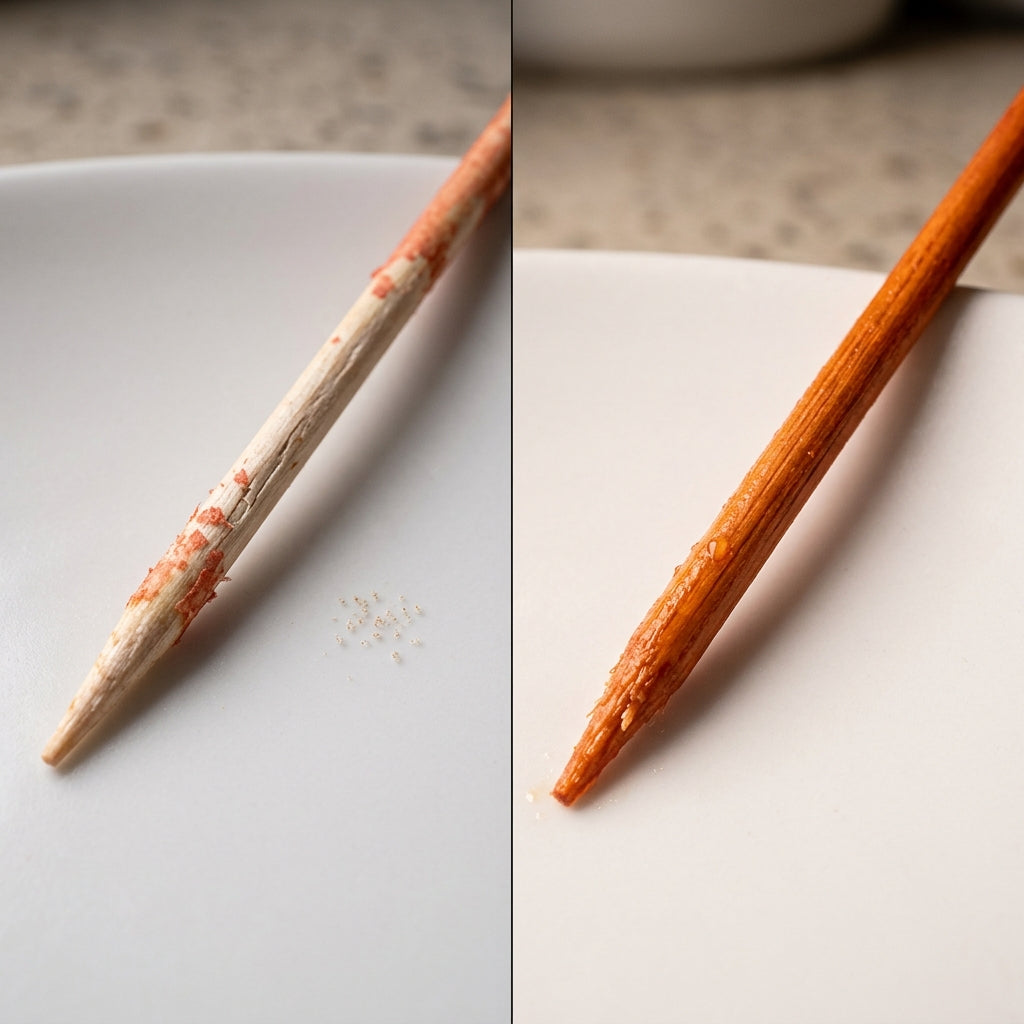
Our patented deep-infusion technology embeds functional ingredients directly into premium toothpicks in a way that releases flavor and active compounds over 25-40 minutes. This isn't a gum that loses flavor in minutes or a lozenge that's gone in moments. The extended experience creates a sustained replacement behavior that genuinely satisfies the oral habit.
What sets our approach apart is that these aren't just flavored picks. Each one delivers specific functional benefits: energy support, craving management, or dry mouth relief. The mouth-watering sensation is intentional. It stimulates saliva flow, which freshens breath and activates the sensory nerves in your mouth. This full sensory experience means your brain registers the pick as a genuine replacement, not a lesser substitute.
The tingle sensation you'll notice on your lips and tongue comes from jambu, a natural extract that activates nerve pathways and deepens your experience of the flavor. This tactile element is crucial. It gives your brain something substantial to register, which helps satisfy the behavioral craving for cigarettes.
Tool 1: Functional Toothpicks for Craving Relief
When a nicotine craving hits, you need something to do in the next 3-5 minutes before it typically passes. This is where our nicotine-free picks designed specifically for craving management become invaluable.
Unlike generic toothpicks, infused flavored toothpicks are formulated to engage your mouth and extend the sensory experience. The bold, mouth-watering flavor occupies your attention while the tingle sensation keeps your focus on the pick itself rather than the craving.
How to use them effectively:
- Keep a pack in your desk, car, and pocket for trigger moments
- Use one at the exact moment a craving hits, rather than waiting
- Focus on the flavor and sensation to redirect your attention
- Let it last. The extended 25-40 minute experience means one pick covers a longer window than gum or lozenges
- Pair it with a behavioral action (stepping outside, taking three deep breaths, drinking water) to reinforce new habit patterns
The psychological benefit is significant. Every time you successfully manage a craving with a pick instead of a cigarette, you weaken the automatic link between the trigger and smoking. You're literally rewiring your behavioral response.
Tool 2: Energy Support During Withdrawal Moments
Nicotine is a stimulant. When you stop smoking, many people experience a noticeable energy dip, especially in the afternoon or during that post-lunch energy crash. This gap often triggers relapse because a cigarette quickly restores alertness.
Our picks infused with caffeine and B-vitamins provide a functional alternative. The Energy Berry toothpicks deliver a measured boost without the crash or the addiction cycle of cigarettes. Because they're sugar-free and zero calories, you're getting energy support without the guilt or the health penalty of sugary snacks.
The advantage of energy-infused picks over coffee or energy drinks is timing and discretion. You can use a pick during a meeting, a call, or a moment when consuming a beverage isn't practical. The sustained release means the effect builds gradually rather than spiking and crashing like a caffeinated drink.
Using energy picks strategically prevents the energy dip from becoming a justification to smoke. Many ex-smokers report that afternoon energy loss was their biggest relapse risk. Addressing it directly with a functional tool removes one major barrier to success.
Tool 3: Stress Management and Mental Focus
Stress is the number-one relapse trigger. Smoking becomes a coping mechanism for anxiety, frustration, and overwhelming moments. When stress hits post-quit, the urge to smoke can feel irresistible because your brain associates cigarettes with relief.
Functional toothpicks don't eliminate stress, but they interrupt the automatic reach-for-a-cigarette response. The sensory engagement of a bold-flavored, mouth-watering pick with that jambu tingle forces your attention into the present moment. This small but real redirection creates space between the stressful trigger and your old response.

What makes picks effective here is that they're portable and discreet enough to use in any environment. Unlike stepping outside to smoke, you can use a pick during a tense conversation, a difficult email exchange, or a moment of frustration. This accessibility means you're more likely to actually use the tool when you need it.
Pairing your pick with a brief grounding technique amplifies the effect. While using a pick, try: identifying five things you can see, focusing on the tingle and flavor sensations for 30 seconds, or taking three intentional breaths. These combined actions create a more powerful stress-interruption pattern than either tool alone.
Combining Multiple Tools for Maximum Success
The most successful people we work with don't rely on a single tool. Instead, they build a layered approach where different tools address different triggers and needs.
Here's how integration works in practice:
- Morning: Use an energy pick with your coffee to establish a new morning ritual and boost alertness before the afternoon dip
- Afternoon slump (typical high-relapse moment): Deploy an energy pick before the urge hits, preventing the energy crash that often triggers smoking
- After meals: Use a craving-management pick to replace the post-lunch or post-dinner cigarette ritual
- Stressful moments: Have a pick ready for high-anxiety situations where you historically reached for cigarettes
- Social situations: Use a pick to occupy your mouth and hands when others are smoking, reducing the social pressure and the habit trigger
The key is having the right tool in the right context. Someone who smokes primarily out of stress needs a different plan than someone who uses cigarettes as a break ritual. Your tool kit should match your specific trigger patterns.
We recommend starting with your three strongest triggers and building a pick strategy for each one. Once those feel stable, expand to other triggers. This incremental approach builds confidence and creates a series of small wins rather than one overwhelming lifestyle change.
How Our Infused Technology Delivers Results
Our patented deep-infusion process is what makes these picks genuinely functional rather than just flavored. Traditional infusions coat the surface. Our technology embeds ingredients throughout the pick structure, ensuring consistent release over the entire 25-40 minute experience.
This matters because it creates sustained engagement. Your brain doesn't just get a quick hit of flavor and then lose interest. Instead, you get a complex sensory experience that continues to hold attention. The mouth-watering effect stimulates saliva production, the bold flavor provides taste engagement, and the jambu tingle activates nerve pathways. Together, these elements create a full replacement experience.
The sugar-free, calorie-free formula is intentional. Many people quit smoking and gain weight because they replace cigarettes with sugary snacks. Our picks let you satisfy the behavioral and sensory need without the metabolic penalty. You're getting functional support, not empty calories.
The consistency of the flavor and sensation across 25-40 minutes means you're not chasing the feeling. You experience it as an extended event rather than a brief distraction. This duration is neurologically significant. Your brain is more likely to register it as a genuine substitute when it sustains the experience for that length of time.
Making the Switch: Your Habit Replacement Plan
Successful habit replacement requires structure. Here's a practical framework for your transition:
Week 1-2: Identify and monitor

Track your smoking triggers for several days before you quit. Note the time, the situation, what you were feeling, and whether it was a strong or mild urge. This data shows you exactly where your picks will be most useful.
Week 2-3: Stock and position
Purchase enough picks to have them accessible in every location where you typically smoke. Your desk, car, bedside table, bathroom, and pockets should all be stocked. The friction of not having a pick available is often enough to make someone reach for a cigarette instead.
Week 3 onward: Strategic replacement
On your quit date, deploy picks according to your trigger map. Use energy picks for afternoon moments, craving-management picks during your highest-risk times, and stress-relief picks during difficult moments. The goal isn't to use picks for every craving. It's to use them for your three strongest triggers consistently for the first 2-3 weeks.
Keep a simple log of when you use picks and when you're tempted to smoke. This creates awareness and shows you which tools are most effective for you personally. Different people respond differently. Your log reveals whether you need more energy support, more sensory engagement, or more focus on stress management.
Important note: These picks are designed for delivering fresh breath and functional ingredients directly to the mouth and body. They're not tools for cleaning your teeth. The goal is oral engagement and ingredient delivery, not dental care.
Success Stories from Our Community
We've worked with thousands of people making the transition away from smoking. The most successful ones share a common pattern: they treated habit replacement as seriously as they treated quitting itself.
One user, a 15-year smoker, reported that the combination of energy picks in the afternoon and craving-management picks after meals eliminated her two strongest triggers within three weeks. She paired the picks with a walking ritual and a shift in her coffee routine, creating a complete environmental change around her biggest risk moments.
Another community member, who had failed multiple quit attempts with patches alone, found that the sensory engagement of the picks solved a problem he hadn't anticipated: he needed to occupy his mouth, not just manage nicotine. Within a month, he reported that the picks felt like a genuinely satisfying substitute rather than a consolation prize.
These aren't anomalies. People succeed when they address both the chemical and behavioral dimensions of smoking. Picks are the behavioral replacement. Whether you use medication, patches, or other nicotine management tools, adding behavioral replacement accelerates success and reduces relapse risk significantly.
Getting Started with Your Smoking Cessation Journey
Your first step is choosing your starting point. Review the triggers we outlined earlier and identify your top three. Then select the type of pick that matches each trigger.
If your biggest challenge is afternoon energy crashes, start with Energy Berry toothpicks or our energy variety packs. If it's general cravings and stress, our craving-management focused picks give you maximum flexibility across situations. The bold flavor and extended duration mean you're getting genuine engagement, not just a quick distraction.
Order your first pack today and commit to the three-week protocol. Stock your locations. Track your triggers. Use picks at the moment cravings hit rather than waiting. Most importantly, recognize that every successful substitution you make weakens the automatic smoking response. You're not fighting urges indefinitely. You're gradually rewiring the behavioral pathways that have become automatic over years.
The fact that you're reading this means you're ready for change. Smoking habit replacement isn't about willpower alone. It's about replacing one behavior with another that's functional, satisfying, and genuinely helpful. That's exactly what we've designed our picks to do.