
7 Best Smoking Cessation Oral Tools for Habit Reformers in 2026
Understanding Oral Habits and Why Replacement Tools Matter
Quitting smoking means retraining your entire body, especially your mouth and hands. For decades, smokers have relied on their cigarette ritual to manage stress, fill time, and ease cravings. When that habit disappears, the void it leaves behind can feel overwhelming. Most people trying to quit find themselves reaching for whatever they can put in their mouth, whether that's candy, gum, or vaping devices that simply swap one nicotine delivery method for another.
We've spent years understanding this struggle because we work directly with people like you who are ready to break free from smoking but need something that actually works. The right oral habit replacement tool doesn't just satisfy cravings; it should deliver functional support, keep your hands busy, and feel rewarding enough to stick with. That's why we developed a completely different approach to smoking cessation.
Smoking is far more than a chemical addiction. It's a deeply ingrained oral habit that involves ritual, muscle memory, and psychological comfort. Every time a smoker reaches for a cigarette, they're engaging multiple sensory pathways: taste, hand movement, breathing control, and even the act of holding something between their lips.
When you quit smoking cold turkey or even with traditional nicotine replacement, your brain still craves that sensory experience. This is why many people find themselves eating constantly, fidgeting, or even returning to smoking after weeks of abstinence. They've addressed the nicotine withdrawal but ignored the behavioral component.
Research consistently shows that oral substitutes help close this gap. A functional replacement tool must:
- Satisfy the hand-to-mouth ritual that smokers miss
- Provide a distinct sensory experience (taste, stimulation, or flavor intensity)
- Deliver measurable functional benefits beyond just distraction
- Feel rewarding enough to reach for instead of a cigarette
- Work for extended periods, not just a few seconds
We focus on this behavioral layer because addressing chemical addiction alone fails most people. The best cessation tool combines both angles: removing nicotine dependence while replacing the habit itself with something equally satisfying.
Actionable takeaway: Before choosing any cessation tool, be honest about what you miss most when you don't smoke. Is it the hand-to-mouth ritual? The flavor? The break from work? The stress relief? The answer shapes which tool will actually work for you.
Traditional Nicotine Replacement Therapy vs. Functional Alternatives
Nicotine replacement therapy (NRT) has helped millions quit smoking, but it's far from perfect. Patches, gum, lozenges, and nasal sprays all aim to satisfy your nicotine cravings while you gradually reduce your dependency. The theory is sound: replace the drug without the smoke and taper down over time.
However, traditional NRT has significant blind spots:
Chemical dependency without behavioral replacement. Patches and gums address withdrawal symptoms, but they don't replace the ritualistic, oral habit component. Many people finish their NRT program only to find themselves reaching for cigarettes again because the underlying habit never changed.
Taste and satisfaction gaps. Most nicotine gums taste medicinal or harsh. Lozenges dissolve slowly and can cause mouth irritation. Neither feels like a genuine alternative that you'd want to reach for; they feel like medicine you're tolerating.
Inconsistent delivery and control. The nicotine dose from gum or lozenges depends on how you use it (chewing speed, duration in your mouth, pH of your saliva). Some people get too much nicotine, experience side effects, and abandon the method. Others don't get enough and still crave cigarettes.
Continued nicotine dependency. Traditional NRT keeps your brain dependent on nicotine while you slowly reduce the dose. This extends withdrawal and makes the final step of quitting NRT itself difficult.
We approach this differently. Instead of keeping you on nicotine, we address the actual problem: the behavioral habit. Functional alternatives like specially formulated toothpicks deliver non-nicotine support for cravings through caffeine, B-vitamins, and sensory stimulation. You break the nicotine cycle immediately while replacing the ritual with something that genuinely serves your body.
Actionable takeaway: If you've struggled with traditional NRT before, the issue wasn't willpower. It was that the tool addressed only half the problem. Functional alternatives work better for people whose primary struggle is the habit itself, not pure chemical withdrawal.

The Limitations of Standard Chewing Gum and Lozenges
Chewing gum sounds logical for smoking cessation. It occupies your mouth, keeps your hands busy, and requires active engagement. Yet most people who try nicotine gum end up disappointed or fall back to smoking within a few weeks.
Here's why standard cessation gum fails:
Weak flavor and rapid satisfaction loss. Most nicotine gums taste medicinal or artificial. The flavor dies within 5-10 minutes, leaving you with flavorless, rubbery texture that no longer satisfies. You spit it out, and 30 minutes later, you're craving again.
Physically demanding. You have to chew repeatedly to release nicotine effectively. If you chew too fast, you swallow nicotine and feel nauseous. If you chew too slowly, the dose is inadequate. This active work is exhausting when you're already stressed from quitting.
Doesn't replace the smoking ritual. Holding a piece of gum in your mouth feels nothing like smoking. There's no hand ritual, no breathing component, no sense of taking a "break." It's a poor substitute that your brain recognizes as inadequate.
Sticky and socially awkward. Nicotine gum leaves residue on your teeth and tastes terrible if you accidentally swallow it. In professional settings, constantly chewing gum signals stress or disengagement. It's not discrete or elegant.
Lozenges present their own problems. They dissolve passively, which means you can't control the pace of relief. They take 20-30 minutes to work, leaving you stuck during acute cravings. Some people get mouth irritation or sore throats from prolonged lozenge use. And like gum, the flavor is usually medicinal rather than genuinely pleasant.
Both gum and lozenges focus on delivering nicotine, not on replacing the psychological reward of smoking. Once you stop using them, cravings often return because the behavioral habit remains untrained.
Actionable takeaway: If previous gum or lozenge attempts failed, you weren't using the "wrong brand." You were using a tool designed only for chemical management, not behavioral replacement. A better approach delivers functional support through stimulation and flavor while keeping your hands and mouth occupied in a way that actually mirrors smoking.
How Functional Toothpicks Deliver Superior Craving Support
Functional toothpicks represent a completely different category of cessation tool. Rather than delivering nicotine or focusing solely on distraction, they provide genuine nutritional and sensory support that addresses cravings from multiple angles.
Here's what makes this approach work:
Long-lasting flavor and engagement. Premium infused toothpicks use deep-infusion technology to lock flavor compounds inside the wood structure. This means the flavor lasts 25-40 minutes per use, far longer than gum or lozenges. Your brain stays satisfied throughout an extended work period or stressful moment, not just the first few minutes.
Stimulation-based craving relief. Functional toothpicks include natural stimulating ingredients (like jambu extract) that activate your mouth and tongue. This creates a tingling sensation that engages your nervous system, making the tool feel rewarding and distinct. Your brain registers this as a genuine experience, not just a distraction.
Caffeine and B-vitamin delivery. When you're quitting smoking, your energy crashes. Many cessation attempts fail because people feel exhausted and irritable. Functional toothpicks can deliver caffeine (for immediate energy) and B-vitamins (for sustained vitality) directly into your mouth, where they're absorbed quickly. This addresses one of the biggest practical challenges people face during the first few weeks.
Sugar-free and guilt-free. Many people who quit smoking gain weight because they replace cigarettes with sugary snacks. Functional toothpicks satisfy the oral habit without the caloric damage. They're zero calories and completely sugar-free, so you can use them throughout the day without worry.
The hand and mouth ritual. Unlike gum or lozenges, a toothpick feels natural to hold and fidget with. It occupies both hands and mouth simultaneously, directly replacing the smoking ritual. You can hold it, work with it, move it around your mouth, and generate the sensory feedback that smoking provided. This addresses the behavioral gap that other tools ignore.
Practical discretion. A toothpick is subtle. You can use one during a meeting, on a video call, or in public without drawing attention. It doesn't require constant chewing or obvious engagement. You're simply freshing your breath while delivering functional support.

Actionable takeaway: When evaluating any cessation tool, ask yourself: does it only manage chemistry, or does it also replace the behavior? Functional toothpicks succeed because they do both simultaneously.
XERO PICKS QUIT: The Game-Changing Nicotine-Free Solution
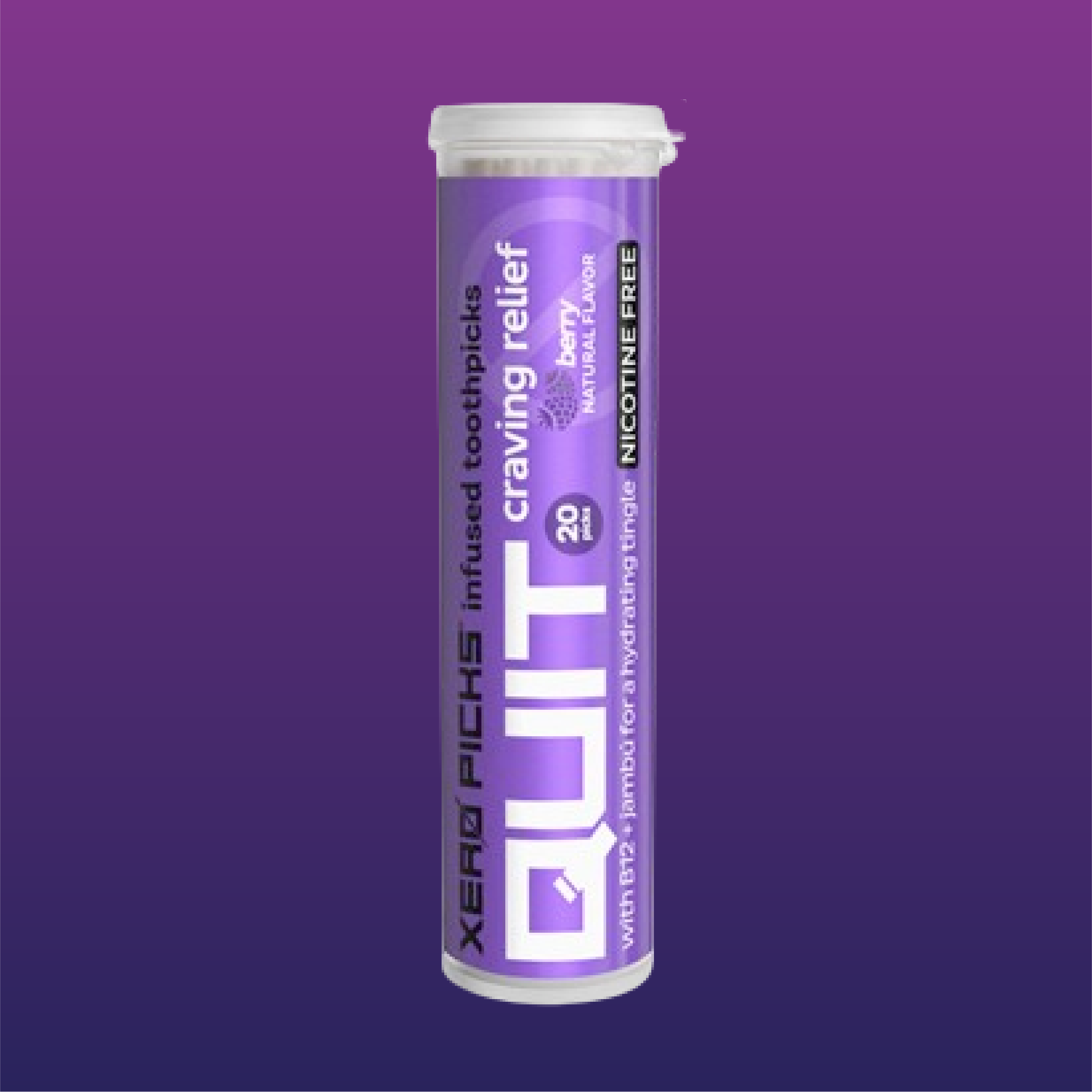
We designed our Quit Variety 5 Pack specifically for people ready to leave nicotine behind completely. This isn't harm reduction or gradual tapering. It's immediate, complete separation from nicotine with full behavioral and functional support built in.
Here's what sets our approach apart:
Nicotine-free from day one. You break the chemical cycle immediately. No gradual reduction, no tapering anxiety, no extended dependency. Your body begins healing from nicotine faster, and you avoid the final difficult step of quitting your "quit-smoking" tool itself.
Deep-infusion flavor that actually lasts. Our proprietary infusion technology embeds flavor compounds throughout the toothpick structure. Unlike surface-coated alternatives, this means the taste stays bold and satisfying for the entire 25-40 minute duration. You're not chewing through a quick burst and then left with nothing.
Stimulation that satisfies cravings. The natural jambu extract we use creates a gentle tingling sensation on your lips and tongue. This isn't painful or uncomfortable. It's mouth-watering, stimulating your saliva flow and activating the neural pathways your brain normally activates during smoking. The sensation tricks your nervous system into feeling like you've just done something rewarding.
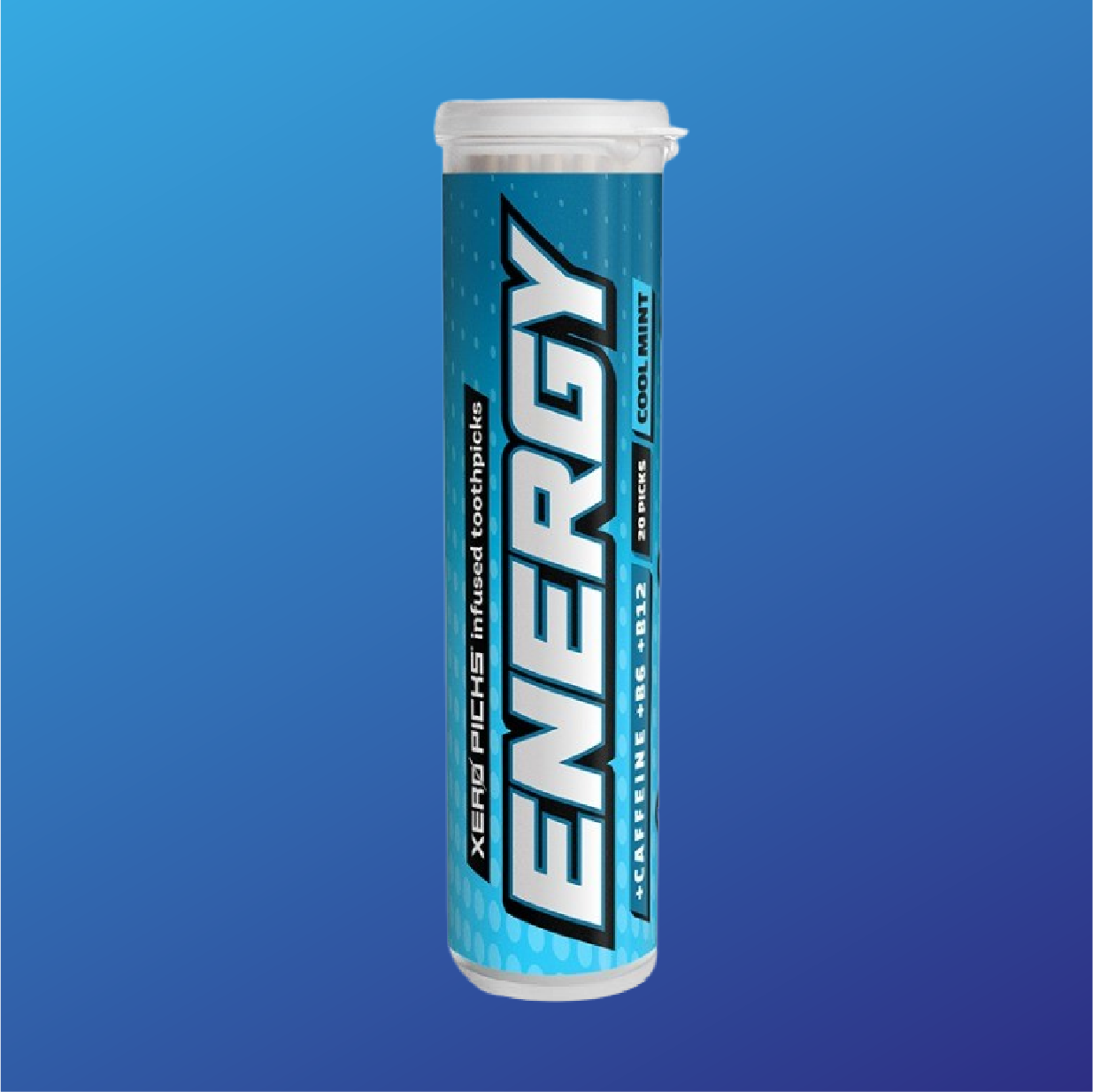
Functional support for real challenges. Our Nicotine-free replacement kit includes options with caffeine and B-vitamins to address the energy crashes that derail most cessation attempts. When you're struggling through day three or week two, you need real functional support, not just something to chew.
No compromises on taste. We don't make medicine-flavored toothpicks. Our formulations are bold, pleasant, and genuinely something you want to use. People reach for our products because they're rewarding, not because they're forcing themselves to tolerate them.
USA-made premium quality. Every toothpick is made right here in the USA with quality control that matches pharmaceutical standards. You're not using a promotional gimmick or a secondary product. You're using a genuine functional delivery system designed from the ground up for this purpose.
The key insight: most cessation tools fail because they're boring or medicinal. You quit smoking because cigarettes were engaging, flavorful, and delivered something your body wanted. We recreated that psychological satisfaction through completely different chemistry. You get the ritual, the flavor intensity, the sensory engagement, and functional benefits without any nicotine.
Actionable takeaway: Before committing to any cessation tool, try it for a week. Does it feel rewarding enough that you'd choose it over a cigarette on a genuinely difficult day? If not, it won't work long-term. Our products pass this test because people genuinely enjoy using them.
Addressing Mental Focus and Stress During Cessation
One of the most underrated aspects of smoking cessation is the mental component. Smoking serves as a stress management tool, a way to reset focus, and a mechanism for processing emotions. When you remove cigarettes, you lose that coping mechanism without an immediate replacement.
Most people experience:
- Concentration problems for 2-4 weeks as their brain chemistry rebalances
- Increased anxiety and irritability, especially during first week
- Emotional intensity or mood swings as dopamine pathways recalibrate
- Fatigue, because nicotine was providing constant stimulation
Standard cessation tools rarely address these psychological challenges. They focus on the nicotine chemical dependency and ignore the actual struggle people face: feeling emotionally raw and unable to focus while everything in their life still triggers the old habit.
This is why we designed options with caffeine and B-vitamins. Caffeine provides immediate mental clarity and focus, helping you work through the first few difficult weeks when your brain is foggy. B-vitamins support dopamine and serotonin production, the neurotransmitters that smoking was artificially elevating. Together, they help your brain chemistry rebalance faster while you still feel functional.
The sensory stimulation of our toothpicks also serves a psychological function. The tingling sensation and bold flavor create a positive sensory event that your brain can look forward to. Instead of stress leading you toward "I need a cigarette," stress leads toward "I need a toothpick." You're rebuilding the neural pathway that connects difficulty with a specific coping tool.

Beyond chemistry, the ritual itself matters. Stepping outside for a "smoke break" used to be an emotional reset. Our toothpicks let you maintain that reset without the cigarette. Take five minutes, engage with something genuinely pleasant, let your nervous system calm. The behavioral pattern continues even though the substance changes.
Actionable takeaway: Plan your mental support strategy before you quit. Identify your three highest-stress times of day and commit to using a functional toothpick at each one. This turns cessation from deprivation into replacement, making the psychological transition far easier.
Practical Tips for Success with Oral Habit Replacement Tools
Understanding why a tool works is different from actually using it effectively. We've learned from thousands of people what separates those who successfully quit from those who fall back. Here are the practices that drive real results:
Start with the right product format. Not all toothpicks are the same. You need one specifically designed for functional delivery and satisfaction, not a generic disposable product. The flavor should be bold enough that you genuinely want to use it, and the stimulation should feel purposeful. If you're not excited about reaching for it on day five when stress is high, it won't work.
Use consistently, not reactively. Don't wait until you're desperate and about to break. Establish a rhythm: one toothpick with morning coffee, one after lunch, one during your typical afternoon stress window, one after dinner. This prevents cravings from building up in the first place. Consistency beats crisis management.
Combine with small behavioral changes. If you used to smoke after meals, use a toothpick after meals instead. If you smoked during work breaks, take a break with a toothpick. You're mapping the new habit directly onto the old habit's schedule. This makes the transition automatic rather than requiring constant willpower.
Pair with movement or activity. Don't just sit with the toothpick. Go for a walk, do stretching, work on something engaging. The toothpick handles the oral component while movement handles the stress relief and focus reset that smoking used to provide. Together, they fully replace what the cigarette was doing.
Increase water intake. The toothpicks are designed to be mouth-watering, stimulating your saliva flow. Drink extra water throughout the day to support this. Fresh breath and mouth stimulation work together to make the experience feel complete and genuinely refreshing.
Remember the timeline. The hardest days are typically days 3-5 and days 14-21. Prepare for these by having your toothpicks easily accessible, by planning what you'll do during high-risk moments, and by recognizing that intense cravings only last 3-5 minutes if you can distract yourself. Use the tool strategically during these windows.
Don't use as a tooth cleaner. This is important: these are functional delivery devices, not dental tools. Use them as intended - place the flavored toothpick in your mouth to experience the flavor, stimulation, and functional ingredients. This ensures you get the full benefit and maintain the proper user experience.
Track your progress visibly. For the first two weeks, mark each day you don't smoke on a calendar. This isn't about judgment; it's about building confidence. On day seven, you'll look back and see seven successful days. That momentum matters enormously.
The meta-principle: cessation fails when people rely on willpower alone. Cessation succeeds when people use the right tool consistently within a structured plan. The tool's job is to make the right choice easier than the wrong choice. Your job is to use it consistently before cravings reach crisis level.
Actionable takeaway: Start today with a specific plan, not just good intentions. If you decide to quit tomorrow, commit right now to exactly when you'll use your first toothpick (morning coffee, right after waking, whatever your trigger is). Write it down. This bridges the gap between understanding and action.
---
If you're serious about quitting smoking in 2026, the gap between success and failure isn't motivation or willpower. It's using the right tool. We've spent years perfecting ours because we understand the actual problem smokers face: nicotine is the chemical component, but the behavioral habit is the real enemy.
We built our Quit Variety 5 Pack to address both. It delivers immediate nicotine-free support with long-lasting flavor, genuine sensory satisfaction, and functional benefits that keep you feeling good while your brain chemistry rebalances. Unlike traditional NRT or generic cessation tools, our approach works because it actually replaces what smoking provided.
Your first step: commit to one week with the right tool and a clear usage plan. That week will show you whether this approach works for you. For most people who try us, it does. We're not positioning our products as one option among many. They're the definitive choice because they solve both the chemistry and the behavior that other tools ignore.
Start with our Quit collection today. Your future self will thank you.