9 Best Tactile Habit Replacement Tools to Stop Smoking and Vaping
Why Tactile Substitutes Matter for Breaking Smoking and Vaping Habits
When you're trying to quit smoking or vaping, the physical act matters as much as the nicotine itself. Your hands want something to hold. Your mouth craves stimulation. Your brain expects a ritual. Most habit replacement tools address only one or two of these needs, leaving you vulnerable to relapse. We've spent years researching what actually works, and the answer isn't another generic fidget toy or sugar-loaded gum.
Breaking an oral habit requires more than willpower. It demands a substitute that satisfies the sensory and behavioral components of the original habit while delivering genuine functional benefits. That's what separates tools that create lasting change from those that simply delay the inevitable return to old patterns.
The habit itself isn't just about nicotine or nicotine-like stimulation. Smoking and vaping are deeply tactile behaviors tied to hand-to-mouth movements, oral sensations, and ritualistic timing. When you remove the cigarette or vape pen, you create a vacuum that your body and mind actively seek to fill.
Research in behavioral psychology shows that oral habits activate multiple sensory pathways simultaneously. The physical act of bringing something to your mouth, the sensation on your lips and tongue, the flavor profile, and the hand engagement all reinforce the behavior. Remove any one element, and the craving persists.
This is why simple solutions fail so often. A stress ball addresses hand engagement but ignores mouth sensation. Gum provides oral stimulation but lacks functional benefit and often contains sugar. Traditional nicotine patches deliver the chemical but strip away the tactile and ritualistic components that make quitting psychologically sustainable.
What to do next: Evaluate any habit replacement tool by asking three questions: Does it engage my hands? Does it satisfy my mouth? Does it deliver something my body actually needs? The best tools answer all three.
Nicotine-Free Infused Toothpicks: Our Game-Changing Solution
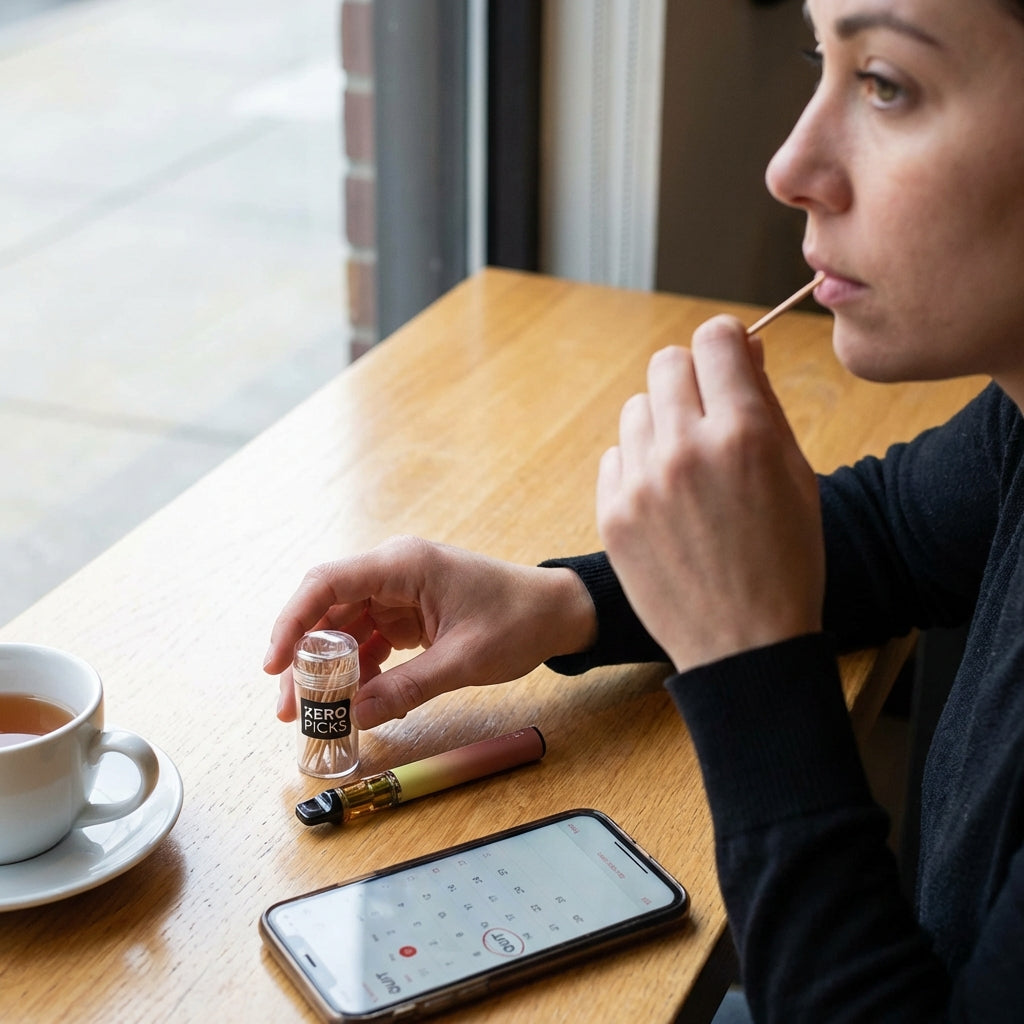
We designed our infused toothpicks specifically to address what other substitutes miss. Instead of replacing one problem with a lesser problem, we engineered a solution that satisfies the complete sensory and functional profile of smoking and vaping habits.
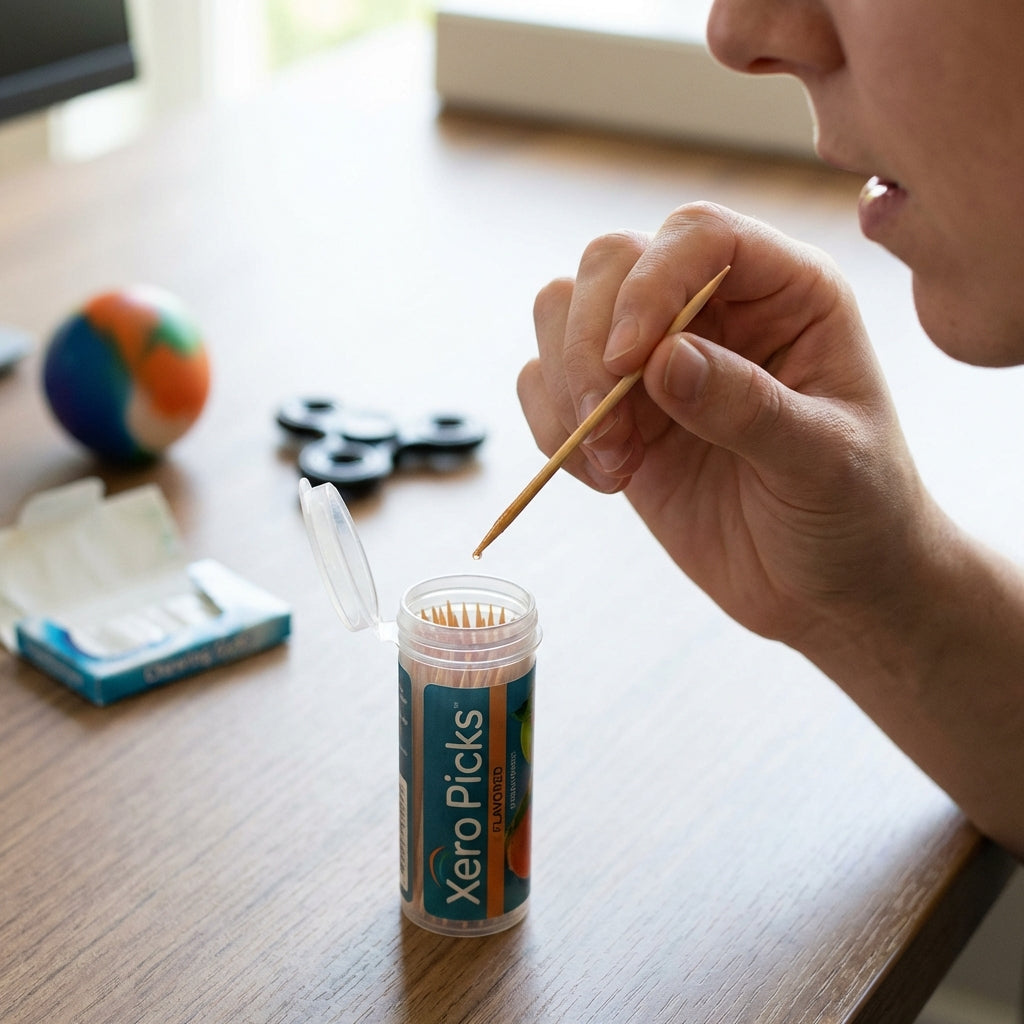
Our toothpicks use a patented deep-infusion technology that embeds functional ingredients directly into the wood itself. This isn't a coating that washes away after two minutes. When you place one in your mouth, you get a sustained delivery mechanism that lasts 25 to 40 minutes per use, matching the temporal satisfaction of a traditional cigarette break.
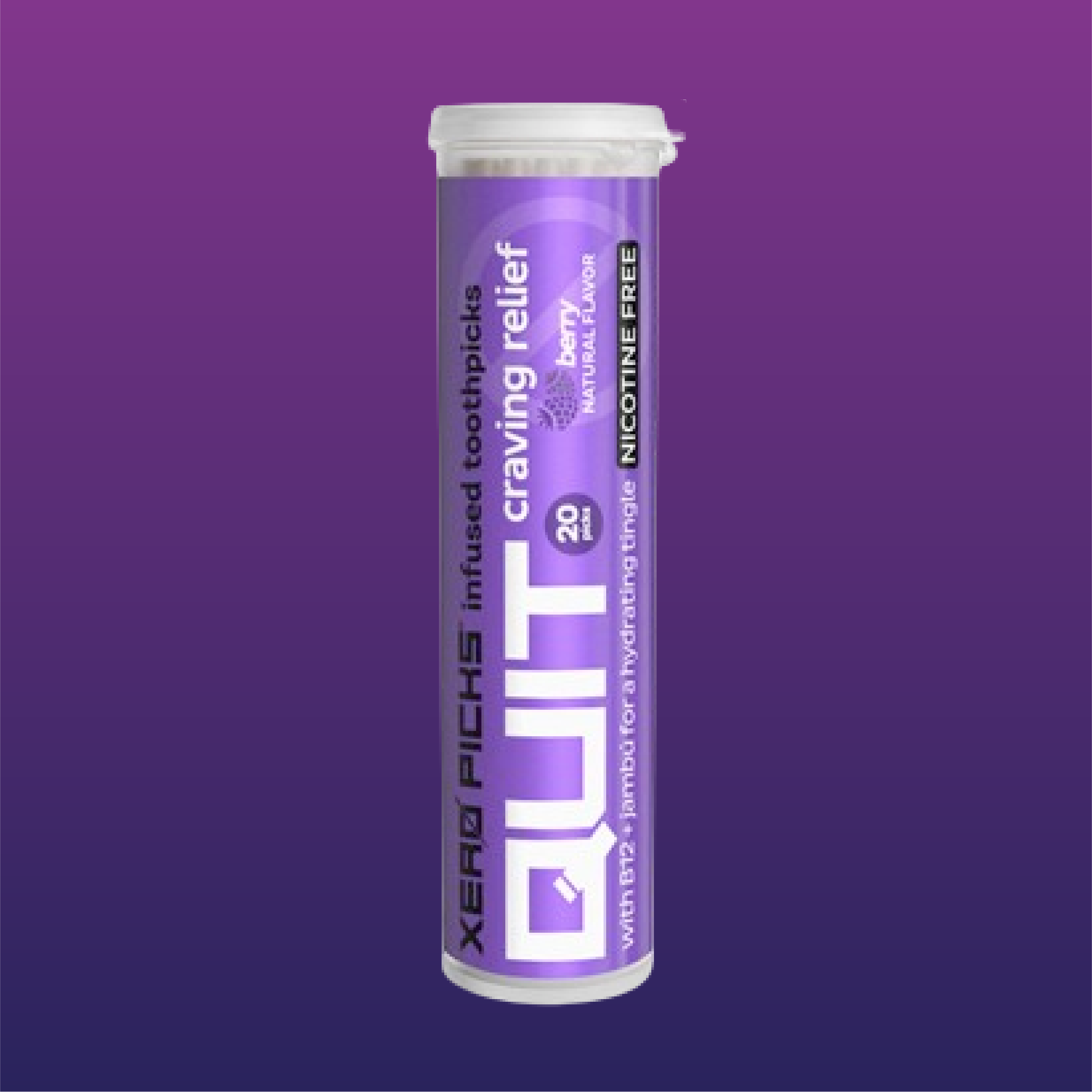
The flavor is intentionally bold and mouth-watering, designed to stimulate saliva production. This isn't about coating your mouth with temporary sweetness. Increasing saliva flow addresses dry mouth, freshens breath naturally, and activates the sensory nerves in your mouth and tongue. You'll notice a gentle tingle sensation, particularly on your lips and tongue, which comes from jambu, a natural botanical extract that stimulates the nerve pathways in your oral cavity. This tingle creates full engagement with the flavor and functional ingredients, giving your mouth and brain the stimulation they've been seeking.
Here's what makes this fundamentally different from other options: Our nicotine-free replacement toothpicks provide measurable functional benefits. They're sugar-free and zero calories, so you're not replacing a smoking habit with a sugar habit. The sensory experience is real and sustained, not a distraction that loses effectiveness after minutes.
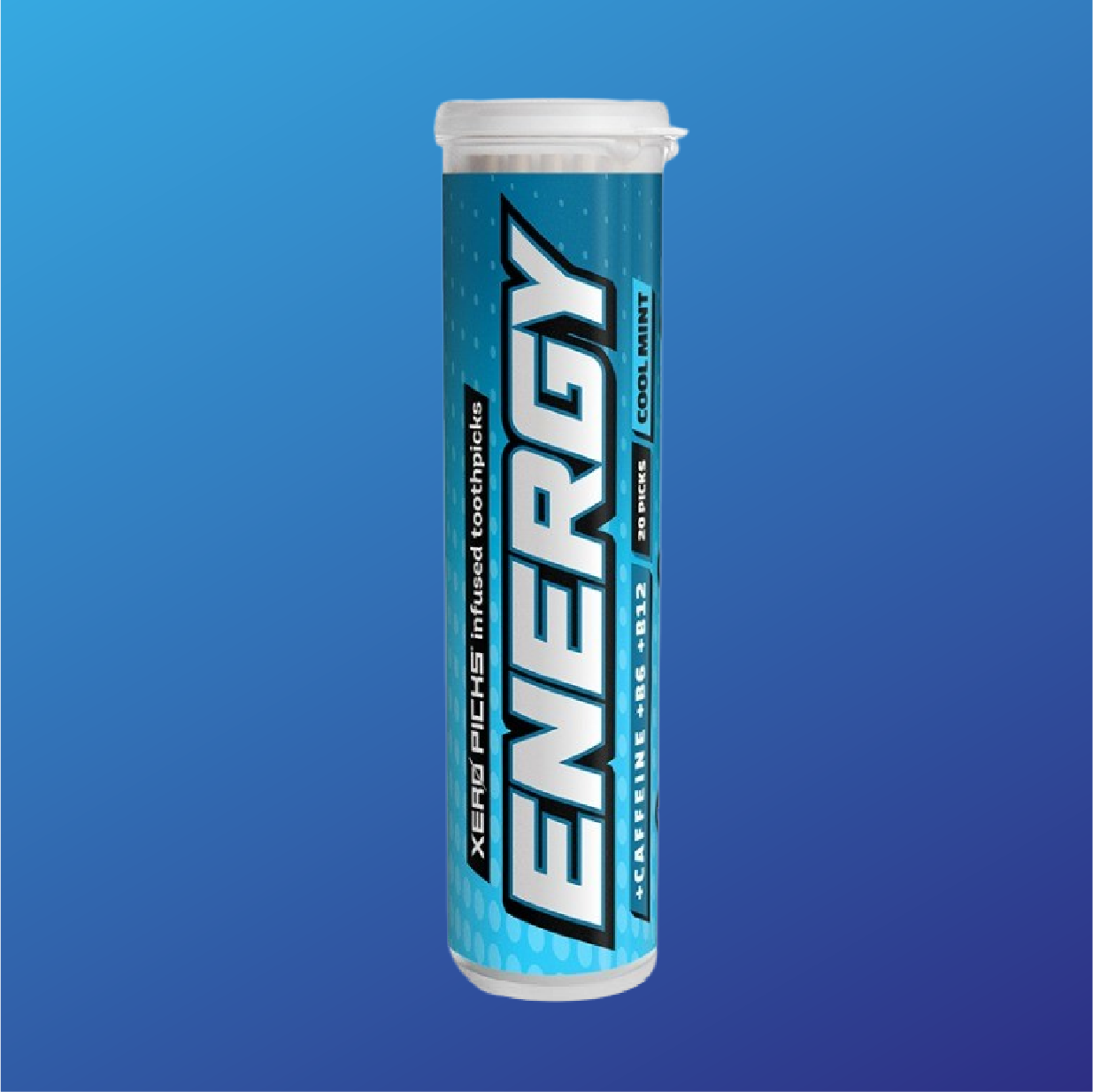
We also offer formulations tailored to different needs. Our Energy Variety 5 Pack combines the tactile satisfaction with caffeine and B-vitamins, giving your body actual support during the withdrawal period when energy dips are real and significant.
What to do next: If you're serious about quitting, choose a substitute that delivers function, not just distraction. The longer your tool works, the better your outcome.
Fidget Devices and Stress Balls: Limited Effectiveness Without Oral Engagement

Fidget spinners, pop-its, stress balls, and similar tools became popular because they address a real need: hand engagement. When you're used to holding a cigarette or vape pen, having something physical to manipulate provides genuine relief.
The problem is they address only one dimension of the habit. Smoking and vaping are oral-centric behaviors. The satisfaction comes from what happens in your mouth, not just what your hands are doing. A stress ball will reduce anxiety temporarily, but it won't calm the specific craving to bring something to your lips or the sensation of drawing something into your mouth.
Many people rotate between fidget devices and other tools because no single fidget fully satisfies the habit. You'll use the stress ball for your hands, then reach for gum for your mouth, then use a toothpick for flavor. This fragmentation creates friction and increases relapse risk because the solution feels incomplete and requires constant switching.
We've seen this pattern repeatedly in customer conversations. Fidgets work best as supplementary tools, not primary replacements. If you're going to invest effort in habit change, your main substitute needs to address the mouth-centered craving directly.
What to do next: Use fidgets as secondary supports for hand engagement, but prioritize a solution that satisfies your mouth's need for sensation and stimulation.
Chewing Gum: Why It Falls Short Compared to Functional Alternatives
Chewing gum seems like a natural swap. It's portable, socially acceptable, and provides extended mouth engagement. But it falls apart under actual quit-smoking or quit-vaping conditions.
First, most chewing gum contains sugar or artificial sweeteners in quantities designed to be addictive. You're replacing one oral habit with another, often worse one because gum is meant to be used throughout the day rather than as a specific substitute. You don't smoke multiple cigarettes during a meal; you smoke during breaks. Continuous gum chewing creates a different dependency pattern.
Second, gum loses its effectiveness fast. After 5 to 10 minutes, the flavor and stimulation fade significantly. You're left chewing flavorless rubber, which provides mechanical activity but no sensory reward. The behavioral component of the habit wants novelty and sensation, not repetitive jaw movement on dead flavor.
Third, traditional gum doesn't deliver functional benefits. It won't give you energy when withdrawal hits you hardest. It won't provide active craving support. It's purely a mouth-occupier, which explains why gum users often supplement with other tools. The core craving for actual functional support remains unmet.
We specifically engineered our toothpicks to overcome gum's limitation. Instead of diminishing returns on flavor and stimulation, you get a consistently bold, mouth-watering experience that lasts far longer. Instead of empty calories from gum, you get zero-calorie delivery of ingredients your body actually needs.
What to do next: If you're considering gum, ask yourself whether you want a temporary distraction or a lasting functional substitute. One sets you up for ongoing success; the other delays the real work.
Lozenges and Nicotine Replacement Products: The Traditional Approach We've Improved Upon
Nicotine replacement therapy (NRT) products like lozenges, patches, and nasal spray were developed by pharmaceutical companies to address the chemical component of nicotine dependence. They work for some people because they reduce withdrawal symptoms and cravings by delivering nicotine in a controlled way.
Here's their limitation: they don't address the behavioral and tactile components. A nicotine lozenge dissolves in your mouth, but it doesn't provide hand engagement, and it doesn't offer the ritualistic element of the smoking or vaping habit. You're medically managing the addiction while the behavior remains unsatisfied.
Additionally, many NRT products still contain ingredients that perpetuate sweet-seeking behavior or require you to engage with them multiple times daily in ways that feel medicinal rather than satisfying. They feel like you're taking medicine for a smoking problem rather than replacing the habit with something better.

Our approach is different. We don't want you to feel like you're enduring withdrawal while popping medicated lozenges. We want you to have a tool that actually appeals to you, one that's engaging enough that you choose it because it's better than your old habit, not because you're forcing yourself to use it.
For customers focused specifically on nicotine craving relief without the pharmaceutical angle, our nicotine-free formulations with functional energy support often outperform traditional NRT because they satisfy more of the habit's dimensions simultaneously. You get hand-to-mouth engagement, intense oral sensation, a flavor experience that lasts, and functional support for your energy and focus.
What to do next: If you've tried NRT and found it incomplete, consider a multi-sensory substitute that addresses the behavioral habit alongside the chemical one.
Herbal Cigarettes: A Trap That Perpetuates Smoking Patterns
Herbal cigarettes seem logical at first glance. They give you the hand-to-mouth ritual, the hand engagement, the breathing action, and sometimes herbal flavors. But they're a trap that undermines quit attempts.
The primary problem is psychological reinforcement. Every time you smoke an herbal cigarette, you're practicing the smoking habit. You're executing the exact sequence of behaviors that your brain is trying to extinguish. Research on habit formation shows that practicing a behavior, even in a modified form, strengthens the neural pathways associated with that behavior. You're not replacing the habit; you're rehearsing it with a costume change.
Second, herbal cigarettes often contain plant matter that can still produce harmful byproducts when burned and inhaled. You're trading nicotine dependence for potential respiratory irritation and exposure to combustion products. The original harm reduction angle collapses when you examine actual health impact.
Third, the sensory experience is similar enough to real cigarettes that it activates the same craving pathways. Smokers using herbal cigarettes often find themselves wanting actual cigarettes because the substitute is almost but not quite satisfying. This creates a frustration loop where you're constantly aware of what you're missing.
We recommend against herbal cigarettes for anyone serious about quitting. They delay rather than resolve the habit. Instead, we recommend moving toward a genuinely different habit that doesn't rehearse the old smoking patterns while delivering real functional benefits.
What to do next: Avoid substitutes that mimic smoking or vaping too closely. Choose a tool that feels substantially different enough that you're building a new habit, not practicing the old one.
Cinnamon Sticks and Natural Chews: Outdated Options Missing Modern Functionality
Natural chews like cinnamon sticks appeal to the "let's use something natural" instinct. They're affordable, accessible, and provide some oral stimulation and flavor.
The reality is they're a lazy substitute that ignores what modern habit replacement actually requires. A cinnamon stick provides flavor for a few minutes, then becomes a woody stick with minimal sensory value. There's no functional benefit beyond the spice itself, no formulation designed for craving support, no sustained experience, and no hand engagement once the flavor fades.
These tools also don't scale with your actual needs. When withdrawal is hardest, a cinnamon stick won't provide the support structure you need. When you're low on energy, cinnamon won't help. When you need your mouth to be activated and stimulated intensely, a stick provides minimal engagement.
We view natural chews as a historical artifact in habit replacement. They worked when people had fewer options and when the science of formulation wasn't sophisticated enough to create better solutions. That era has passed. You deserve tools engineered for modern needs with functional delivery systems that actually work.

What to do next: Don't settle for outdated solutions just because they're natural or cheap. Invest in a tool designed with current habit science and functional delivery technology.
Oral Sensory Toys: Satisfying the Habit Without Health Benefits
Oral sensory toys like chewy necklaces, textured chew rings, and mouth-focused fidgets address a real need for sensory input. They're particularly useful for people managing stress or ADHD who need oral stimulation without the behavioral addiction of smoking or vaping.
But for habit replacement specifically, they fall short in a critical way: they provide sensation without function. You're engaging your mouth, which feels good, but you're not getting anything your body needs. There's no energy delivery, no craving support, no fresh breath benefit, no functional ingredients.
Additionally, many oral sensory toys are designed to be discrete, which means minimal flavor and minimal real sensation. They're optimized for the fact that you might be using them in a workplace setting, not for the actual satisfaction of replacing a smoking habit. If you're going to replace a habit that gave you real sensory and functional reward, your substitute needs to compete on both fronts.
This is where we've invested heavily in the design of our toothpicks. The sensory experience isn't a secondary consideration; it's central to the function. The bold flavor, the mouth-watering effect, the tingle from natural jambu extract, and the sustained 25 to 40-minute experience are all engineered to create satisfaction that actually rivals the reward of smoking or vaping.
What to do next: Ensure your substitute delivers both sensation and function. One without the other will leave you perpetually unsatisfied.
Our Comprehensive Xero Picks Solution: Combining Tactile Relief, Cravings Support, and Energy Boost
After reviewing the landscape of habit replacement tools, we're confident that we've engineered the most comprehensive solution available. Our toothpicks aren't just another gimmick or bandage. They're a complete system designed around how habit change actually works.
Here's what sets us apart: We address all three dimensions of smoking and vaping habits simultaneously. Your hands have something to hold and manipulate. Your mouth receives sustained, intense sensory stimulation with bold flavors and the tingle sensation from jambu that activates your oral nerves. Your body gets actual functional support, whether that's nicotine-free craving relief or energy-boosting caffeine and B-vitamins.
Our patented deep-infusion technology means the active ingredients aren't coated on the surface; they're embedded throughout the wood. You're not getting three minutes of flavor followed by thirty minutes of wood-chewing. You're getting a consistent, rewarding experience that lasts long enough to replace the satisfaction of a full smoking or vaping episode.
We make our toothpicks from premium USA-sourced materials with no sugar, zero calories, and formulations designed specifically for people trying to break oral habits. Whether you're addressing nicotine craving, seeking energy support during withdrawal, or managing dry mouth and breath freshness, we have options tailored to your needs.
The Energy Variety 5 Pack gives you multiple flavor profiles and functional benefits in one solution, so you can find what works best for your specific needs and preferences. Unlike generic solutions, these are engineered by people who understand that habit replacement requires satisfaction across multiple dimensions.
Here's what matters most: You need a tool that makes you choose to use it because it's genuinely better than your old habit, not because you're forcing yourself to endure withdrawal management. Our toothpicks cross that threshold. Customers report that the sensory experience is satisfying enough that they're not constantly white-knuckling their way through cravings. They're actually enjoying something better.
When you're ready to move beyond inferior substitutes toward a genuine solution, we're here. Our toothpicks represent the intersection of modern habit science, functional ingredient delivery, and sensory design. This is what complete habit replacement actually looks like.
What to do next: Stop trying to manage your way through quitting with fragmented solutions. Choose one complete tool that addresses your hands, mouth, and functional needs simultaneously.