
Top Smoking Cessation Oral Tools to Help You Quit for Good in 2026
Why Traditional Quit-Smoking Methods Fall Short
Quitting smoking is one of the most challenging habits to break, and it's not just because of nicotine dependency. The physical and psychological components of smoking create layers of difficulty that standard quit-smoking methods often ignore. If you've tried to quit before and found yourself reaching for a cigarette again during stressful moments or out of pure habit, you're experiencing what millions of former smokers face each year.
The good news? Modern smoking cessation oral tools have evolved beyond nicotine patches and gum. We at Xero Picks have spent years understanding what actually works for people trying to replace smoking with something healthier. This guide covers the most effective smoking cessation strategies available in 2026, including evidence-based alternatives that address both the physical cravings and the psychological satisfaction smoking provides.
Nicotine replacement therapy (NRT) products like patches, gum, and lozenges have helped millions quit smoking. They absolutely work for some people. However, they're incomplete solutions that focus narrowly on nicotine addiction while ignoring the behavioral and sensory aspects of smoking.
Consider what smoking actually delivers: nicotine, hand-to-mouth motion, oral stimulation, a brief pause in the day, and something to do with your hands and mouth. Most traditional methods address only the nicotine component. Someone wearing a patch still experiences cravings for the ritual, the sensation, and the behavioral habit of reaching for a cigarette. This gap between what NRT provides and what smokers actually crave creates frustration and relapse risk.
Prescription medications like Chantix and Wellbutrin help many people, but they come with potential side effects including mood changes, nausea, and insomnia. Not everyone can or wants to take pharmaceutical interventions. Additionally, these medications work best as part of a comprehensive quit plan that includes behavioral support, which isn't always accessible or affordable.
Cold turkey quitting has the highest relapse rate of any method, despite requiring the most willpower. Studies show that roughly 95% of people who quit smoking without any support or tools return to smoking within a year. Your brain needs a replacement strategy, not just willpower and hope.
What to do next: Recognize that your smoking habit involves multiple components. The most effective approach combines several tools and strategies rather than relying on a single solution.
The Problem With Empty Habits: Why Willpower Alone Isn't Enough
Your brain doesn't distinguish between "helpful" and "harmful" oral habits. When you smoked regularly, your brain rewired to associate certain situations, emotions, and times of day with reaching for a cigarette. These neural pathways don't disappear when you decide to quit. They remain, waiting to be triggered.
This is why you might feel intense cravings during your coffee break, after dinner, or when stressed, even weeks into quitting. Your brain recognizes these contextual cues and sends a powerful signal: "You always smoke now. Where's your cigarette?" Willpower alone cannot override these automatic neural responses. Willpower is a finite resource that depletes throughout the day, especially when combined with stress, lack of sleep, or social pressure.
The "empty habit" problem is particularly difficult because it targets the behavioral loop. Charles Duhigg's research on habit formation shows that habits consist of a cue, a routine, and a reward. When you quit smoking, you remove the routine but the cue and reward system remain unaddressed. Your brain still wants the hand-to-mouth motion, the oral satisfaction, and the brief mental break that smoking provided.
Consider a typical scenario: You finish a meal and feel an automatic urge to smoke. This happens because your brain learned that meals trigger smoking. If you simply abstain, you're fighting your neurology with willpower alone. That works for an hour or a day. Over weeks and months, the mental fatigue becomes overwhelming. Relapse happens not because you're weak, but because willpower cannot permanently override deeply embedded behavioral patterns.
Effective quit-smoking strategies acknowledge this reality and provide a replacement habit that satisfies the same needs: oral stimulation, hand-to-mouth action, a brief pause, and sensory satisfaction.
What to do next: Stop relying on willpower as your primary tool. Instead, build a replacement habit that addresses the behavioral components of smoking, not just the nicotine.
How Functional Oral Tools Address Root Cravings and Stress
Functional oral tools work differently than traditional NRT because they address multiple dimensions of smoking cessation simultaneously. These tools recognize that smokers need three things: nicotine replacement (which functional tools can provide through other ingredients), behavioral habit replacement (oral stimulation and hand-to-mouth motion), and stress relief during vulnerable moments.

When you use a functional oral tool during a moment when you'd normally smoke, several things happen. Your mouth and nervous system receive stimulation through flavor, texture, and active ingredients. This activates the same sensory pathways that smoking activated, providing genuine satisfaction rather than forced abstinence. The hand-to-mouth motion remains intact. You get a brief mental break and a coping mechanism in the moment.
Research shows that oral fixation in smokers isn't primarily about nicotine delivery. Many former smokers remain satisfied with cinnamon sticks, gum, hard candy, or similar oral tools years after quitting, even without nicotine. This reveals that the behavioral and sensory components matter tremendously. A tool that provides robust oral stimulation, bold flavor, and sensory engagement becomes a genuine substitute rather than a reminder of what you're missing.
The stress-relief component is equally important. Smoking became your stress management tool. Every difficult moment prompted reaching for a cigarette. When you quit, you lose this coping mechanism at precisely the moment you need it most. Functional oral tools can incorporate stress-supporting ingredients like B-vitamins and energy-supporting compounds that provide a genuine physiological response, making the tool feel like an active intervention rather than mere distraction.
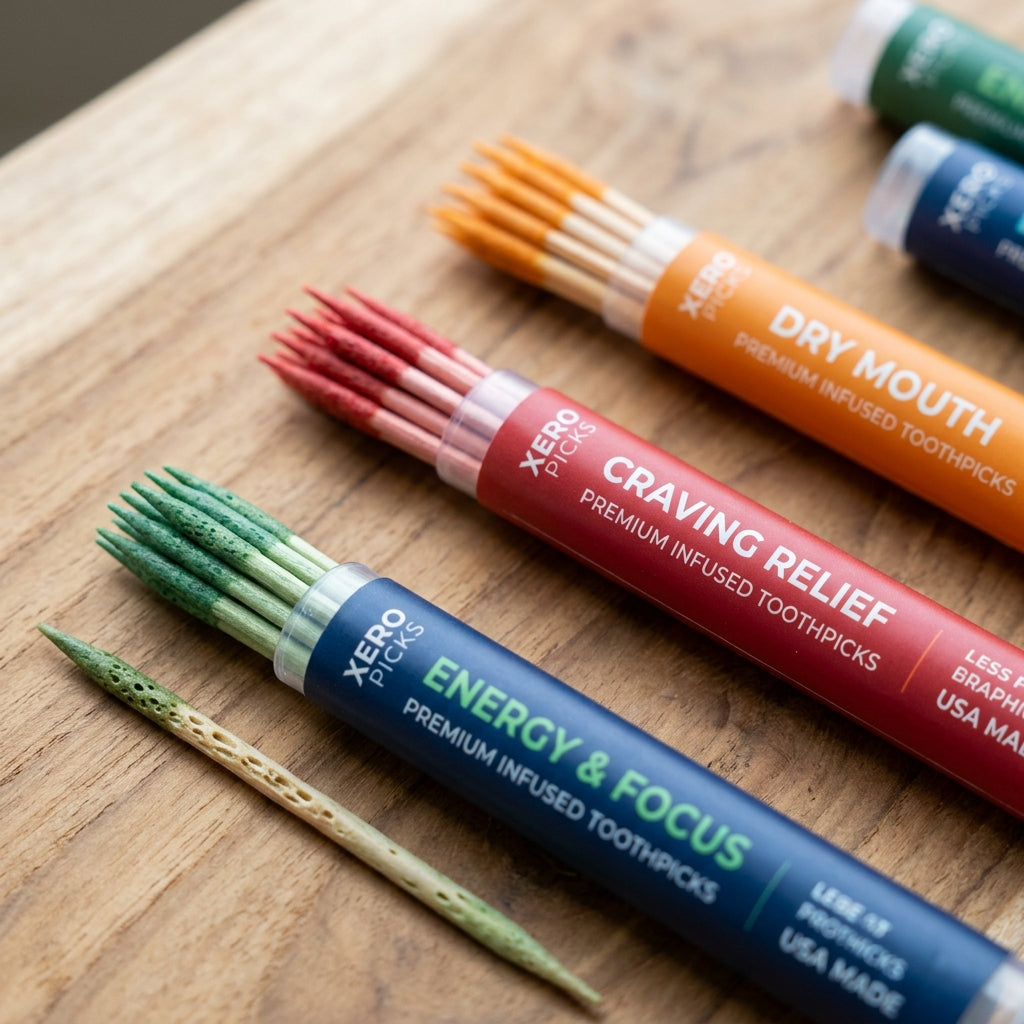
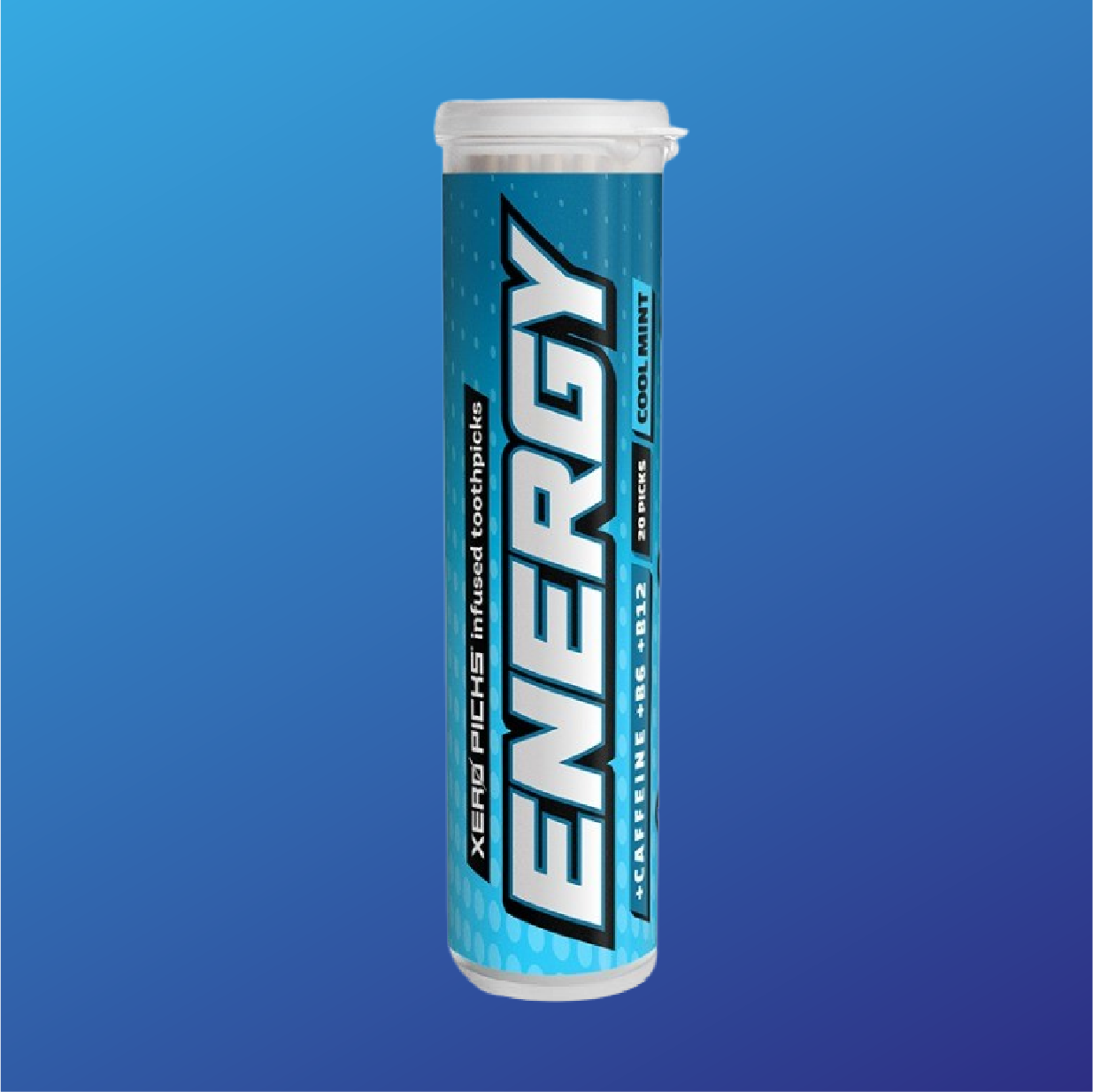
Different functional tools offer different benefits. Some provide caffeine and B-vitamins for energy and focus. Others offer xerostomia relief through stimulation that increases saliva flow, addressing dry mouth. The best choice depends on your specific cravings and needs.
What to do next: Identify your primary smoking triggers (stress, after meals, morning coffee, social situations, boredom) and select functional oral tools that address those specific moments.
Our Nicotine-Free Solution: The Science Behind Hand-to-Mouth Alternatives
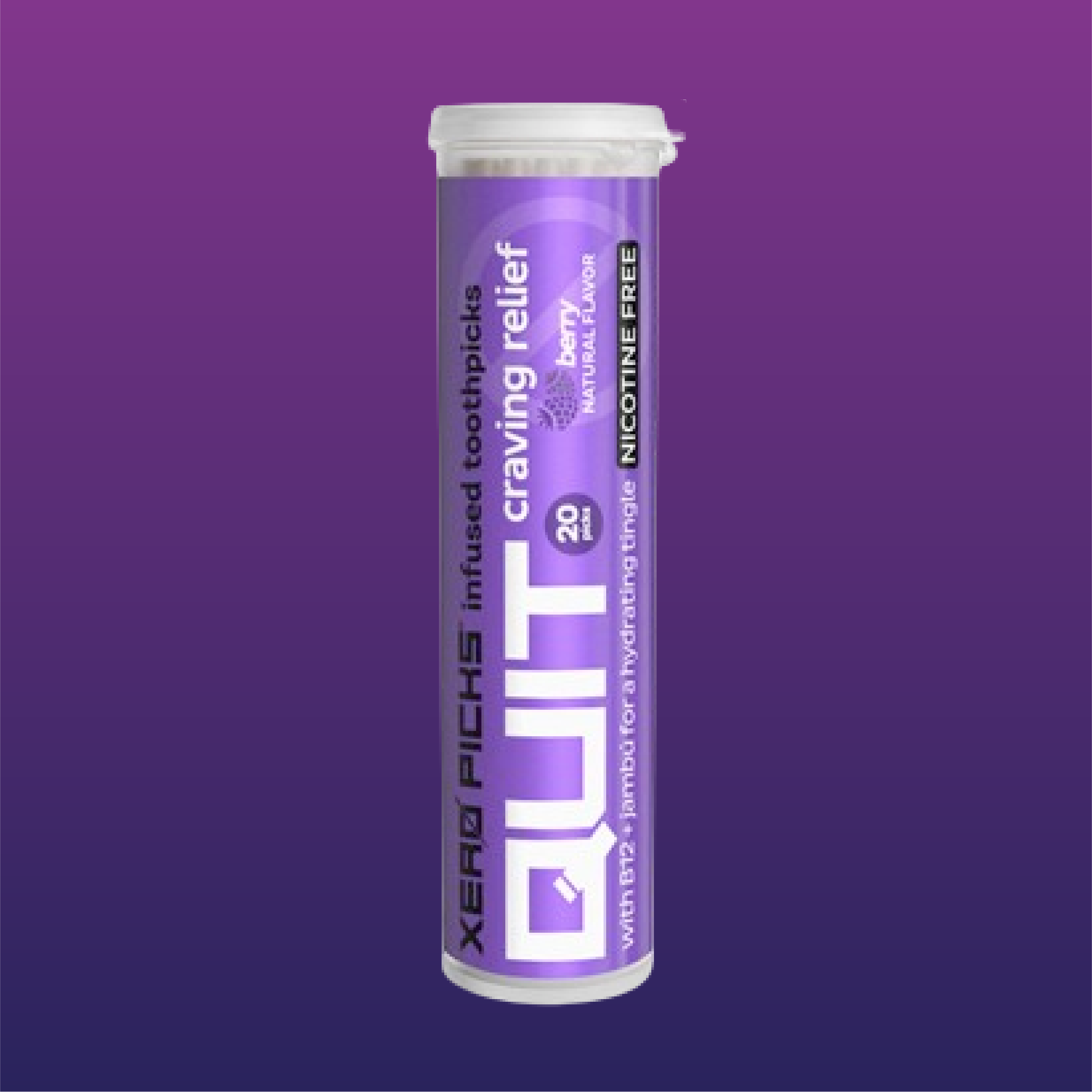
We created Xero Picks Quit specifically to address the gaps we identified in traditional smoking cessation tools. Our approach centers on the fact that nicotine-free hand-to-mouth alternatives can be remarkably effective when they deliver genuine sensory satisfaction and functional ingredients.
Our product uses patented deep-infusion technology to embed flavor and functional ingredients throughout the toothpick structure. This isn't surface flavoring that disappears in minutes. The infusion creates a long-lasting experience that can sustain you for 25-40 minutes per use, providing genuine satisfaction during moments when cravings would normally intensify.
The flavor profile is intentionally bold and mouth-watering. We use natural extracts, including jambu (pronounced jahm-boo), which creates a natural tingle sensation on your lips and tongue. This isn't accidental. The sensation stimulates your mouth and activates the nerve pathways that deliver flavor and sensory engagement. It's designed to give you a full, satisfying experience rather than a passive distraction.
When you use Xero Picks Quit, you get the hand-to-mouth motion, the oral stimulation, the behavioral habit replacement, and the sensory satisfaction that smoking provided. Unlike nicotine-containing products, these tools create no physiological dependence. You can use them as frequently as needed without creating a new addiction. Many of our customers use them strategically during high-risk moments and gradually reduce frequency as new habit patterns solidify.
The product is sugar-free and zero calories, addressing a concern many smokers have about quitting and gaining weight. You get sustained oral satisfaction without the guilt or metabolic consequences of candy or other sugary substitutes.
Our deep-infusion approach differs from conventional toothpicks or lozenges because the sensory experience remains consistent throughout the entire use period. You're not chasing flavor or waiting for a lozenge to dissolve. Instead, you have a tactile tool that engages multiple senses simultaneously, making replacement of the smoking habit feel genuinely satisfying rather than like a lesser alternative.
What to do next: Use one of our products during your highest-risk moment today. Notice how the sensory experience differs from willpower-based abstinence.
Why Xero Picks Quit Works Better Than Other Cessation Tools
We don't claim Xero Picks Quit replaces comprehensive quit-smoking programs or professional support. What we do claim is that when compared to other oral tools and habit replacement strategies, our approach delivers superior sensory satisfaction and longer-lasting effectiveness.
Conventional gum requires constant chewing and often loses flavor within minutes. Lozenges slowly dissolve without providing hand-to-mouth action. Hard candies provide oral stimulation but often contain sugar or feel childish, which many adult smokers resist. Toothpicks without functional infusion offer minimal sensory reward.
Our patented infusion technology creates several advantages. First, the experience lasts substantially longer than conventional alternatives. Second, the bold flavor and tingle sensation feel like an active intervention rather than passive distraction. Third, the toothpick format provides hand-to-mouth action that gum or lozenges cannot. You have something to hold, move, and engage with, directly replacing the hand-to-mouth motion that smoking provided.

When customers use multiple cessation tools together, they see better results. For example, someone might use nicotine patches for the physiological component while using Xero Picks Quit for the behavioral and sensory components. Another person might use prescription medication while using our products to address the habitual aspects. Our tools integrate effectively with virtually any other quit-smoking strategy.
The satisfaction level matters more than many people realize. When your replacement tool feels genuinely satisfying, you use it willingly during cravings. When it feels like a lesser alternative, you're constantly fighting the urge to return to smoking. We've invested in flavor science and ingredient selection specifically to ensure our products feel like a positive choice, not a compromise.
Additionally, our products create no new physiological dependence. You can use them frequently during early cessation and gradually reduce frequency as your habit patterns change. This flexibility is impossible with nicotine-containing products, which transfer your dependence rather than eliminating it.
What to do next: Compare the sensory experience of our products directly against other cessation tools you've tried. Notice the difference in satisfaction and duration.
Real-World Results: Customers Who Successfully Quit Using Our Products
Numbers tell part of the story. What really matters is the lived experience of people who faced your exact situation and found solutions that worked.
One customer shared that she had tried quitting smoking for seven years using patches, gum, willpower, and cold turkey attempts. Nothing stuck because she remained unsatisfied during high-stress work moments. She'd abstain for weeks, then during a particularly difficult project deadline, she'd buy a pack. Her breakthrough came when she used Xero Picks Quit at her desk during afternoon stress peaks. The bold flavor, the tingle sensation, and the hand-to-mouth action provided something patches simply couldn't deliver. She used the product frequently for the first month, then gradually reduced usage as stress-management techniques improved. Now, eighteen months without smoking, she occasionally uses our products but no longer craves cigarettes.
Another customer is an outdoor enthusiast who quit smoking to improve his athletic performance. The behavioral challenge was intense because he'd smoked during every outdoor break and social gathering. He combined our products with running to create a new ritual. Instead of smoking after runs, he'd use a Xero Picks product while stretching and recovering. The sensory satisfaction made the transition feel natural rather than restrictive. Within three months, the running had become his stress management tool and the need for smoking cessation products had dramatically decreased.
A third customer quit smoking primarily to model healthy behavior for her teenage daughter. She used traditional NRT initially but felt constantly deprived. When she switched to using Xero Picks Quit as her primary tool, she felt genuinely satisfied in moments when she'd previously smoked. She describes the difference as moving from "white-knuckling through cravings" to "actually enjoying the alternative." Her daughter noticed the positive shift and her commitment to staying smoke-free strengthened dramatically.
These stories share common elements: initial frustration with partial solutions, identification of the specific gap (behavioral satisfaction), and successful replacement of smoking with a tool that genuinely satisfied the underlying needs. None of these customers report feeling deprived or like they're constantly fighting the urge to smoke.
What to do next: Identify which aspect of smoking will be hardest for you to replace (stress relief, hand-to-mouth motion, sensory satisfaction, or ritual). Choose your cessation tools specifically to address that challenge.
Supporting Your Mental Focus and Stress Management While Quitting
Quitting smoking creates a temporary cognitive load. Your brain has spent months or years using cigarettes as its primary stress management and focus tool. Removing this coping mechanism without establishing alternatives creates mental cloudiness, difficulty concentrating, and heightened stress sensitivity.
Strategic use of functional oral tools can mitigate these challenges. Our products that include caffeine and B-vitamins provide genuine physiological support during moments when your brain would normally seek the stimulation that smoking provided. This isn't placebo. Caffeine directly addresses focus and alertness, while B-vitamins support energy production and nervous system function. When you use these products during cognitive dips or stress peaks, you're providing your brain with actual support rather than mere distraction.
Additionally, the sensory experience of using our products creates a brief mental break that smoking provided. Your brain doesn't distinguish between a cigarette break and a flavored toothpick break. Both provide a moment to pause, take a breath, and reset. Importantly, they both work without the cognitive disruption that occurs when you try to white-knuckle through cravings while attempting to maintain focus.
Build strategic pauses into your day where you intentionally use a cessation tool. Morning coffee time? Use a product. After lunch? Use a product. During afternoon stress peaks? Use a product. These planned pauses create structured moments where your brain receives the reset it craves, reducing spontaneous cravings during unplanned moments.
Stress management deserves special attention because it's the leading cause of relapse. When stress becomes acute, willpower fails and old habits resurface. Comprehensive stress management during cessation means combining multiple approaches: exercise, sleep quality, social support, and strategic use of functional tools. Our products provide the immediate, sensory-based relief that helps you get through acute stress moments while you build longer-term stress management skills.

What to do next: Create a daily schedule that includes three planned moments where you'll use a cessation tool intentionally. Notice how planned usage prevents spontaneous craving episodes.
Creating a Sustainable Quit-Smoking Strategy With Oral Alternatives
Effective cessation is rarely a single intervention. It's a combination of tools, strategies, and behavioral changes that address different dimensions of the smoking habit. Building a sustainable approach requires honest assessment of your specific challenges and deliberate selection of tools that address them.
Start by identifying your primary smoking triggers. Are you most vulnerable during stress, after meals, during specific social situations, while driving, or during breaks at work? Different triggers respond to different interventions. Stress-triggered smoking might respond well to our products combined with exercise and breathing techniques. Social-triggered smoking might require script preparation and accountability from friends. After-meal smoking might respond well to a different routine entirely, such as taking a brief walk.
Layer your interventions thoughtfully. Someone might use nicotine patches for the physiological component, Xero Picks Quit for behavioral satisfaction, exercise for stress management, and cognitive behavioral therapy techniques for psychological support. This multi-pronged approach addresses multiple dimensions simultaneously, which significantly improves success rates.
Create environmental and social support. Remove cigarette triggers from your environment. Tell friends and family about your quit date. Build accountability by sharing your goal with people who will support you. Join a quit-smoking program or online community. Consider professional counseling or support groups. Research shows that behavioral support significantly increases success rates, regardless of which physical tools you use.
Build replacement rituals for your highest-risk moments. If you smoked with morning coffee, establish a new ritual around that time that involves a cessation tool. If you smoked during work breaks, establish new break rituals. If you smoked after dinner, establish a new post-meal routine. The ritual itself matters as much as the physical tool.
Plan for moments of weakness specifically. Know in advance what you'll do if you experience intense cravings. Will you call a friend? Use multiple cessation tools simultaneously? Go for a walk? Exercise intensely? The more specific your advance planning, the more likely you'll execute it rather than relapsing during a moment of weakness.
What to do next: Write down your three highest-risk smoking triggers and identify specific interventions for each one. Include which cessation tools you'll use and how you'll use them.
Getting Started With Your Smoke-Free Journey Today
The difference between people who quit smoking successfully and people who relapse comes down to action. Planning matters. Strategy matters. But the actual first step matters most.
Choose a specific quit date within the next two weeks. This gives you time to prepare without losing momentum. Communicate this date to people who will support you. Begin gathering your cessation toolkit today. Order Xero Picks Quit products so they arrive before your quit date. If you're using other methods like patches or prescription medication, arrange those now. Don't wait until your quit date to solve logistical challenges.
On your quit date, remove all cigarettes from your environment. Remove them from your car, your home, your workplace, everywhere. Identify an accountability partner and share daily check-ins during the first two weeks. The first two weeks determine the trajectory of your entire quit attempt.
Use your cessation tools strategically from day one. Don't wait until cravings become overwhelming. Use them proactively during moments when you'd normally smoke. Use them during stressful moments. Use them during social situations. Use them as frequently as needed. There's no such thing as overusing nicotine-free functional oral alternatives. They provide no physiological dependence, so use them as generously as needed during early cessation.
We created Xero Picks Quit specifically because we recognized that smokers need sensory satisfaction alongside whatever other cessation tools they use. Our products deliver long-lasting flavor and functional ingredients through our patented deep-infusion technology. They provide the hand-to-mouth motion that smoking provided. They deliver genuine satisfaction during moments when abstinence would normally fail.
Your quitting journey is unique, but the principles of success are universal: address multiple dimensions of your smoking habit, layer your interventions strategically, build behavioral support, and use tools that genuinely satisfy your underlying needs. When you combine these elements with commitment and planning, the relapse rates drop dramatically.
Visit our website today to explore our product options and place your first order. We're confident that when you experience the sensory satisfaction our products deliver, you'll recognize them as legitimate replacements for smoking rather than compromises. Your smoke-free future is within reach.
For further reading: Strawberry Dry Mouth Relief.