How to Stop Sugar Snacking: Functional Flavor Solutions That Actually Work
Table of Contents
- The Hidden Cost of Sugar Snacking and Emotional Eating
- Why Traditional Snacks Fail to Break the Cycle
- How Functional Flavored Tools Rewire Your Oral Habits
- The Science Behind Flavor and Craving Relief
- Our Unique Infusion Technology Delivers Real Results
- Xero Picks Candies and Sourz: Guilt-Free Alternatives
- Supporting Mental Focus While Managing Cravings
- Real Habit Change: From Sugar Dependency to Wellness
- Getting Started with Your Flavor-Based Habit Reform
- Your Path to Sustainable Snacking Freedom
The Hidden Cost of Sugar Snacking and Emotional Eating
Sugar snacking isn't just a minor indulgence. When we reach for sweet treats out of habit, stress, or boredom, we're setting off a chain reaction in our bodies that extends far beyond the calories consumed. Each sugary snack triggers a spike in blood glucose, followed by a crash that leaves us feeling more fatigued and craving more fuel. Over time, this cycle becomes wired into our neural pathways, making emotional eating feel like an automatic response rather than a choice.
The real cost shows up gradually. Frequent sugar intake contributes to weight gain, energy fluctuations, and increased risk of metabolic issues. Beyond the physical toll, there's the psychological weight: the guilt after overeating, the shame around lack of control, and the frustration of repeatedly breaking promises to ourselves. Many people describe their sugar habits as addictive, and research backs this up. Sugar activates the same reward centers in the brain that respond to addictive substances, making it genuinely difficult to quit through willpower alone.
The emotional eating piece complicates things further. We don't always reach for sugar because we're hungry. Stress, anxiety, boredom, and loneliness often drive snacking behavior. Without addressing the underlying trigger, simply removing sugar from the house won't solve the problem. We need a replacement that satisfies the same oral habit, provides genuine flavor satisfaction, and ideally offers functional benefits that support our wellness goals.
Actionable takeaway: Before you attempt to reduce sugar snacking, identify your top three triggers. Are you reaching for sweets when stressed at work? During afternoon energy crashes? When watching TV? Understanding your pattern makes it easier to deploy the right solution.
Why Traditional Snacks Fail to Break the Cycle
Most people try to quit sugar snacking by replacing it with "healthier" alternatives: sugar-free candy loaded with sugar alcohols, protein bars that taste like cardboard, or simply trying to ignore the craving until it passes. These approaches fail for predictable reasons.
Sugar-free candies often contain sugar alcohols like xylitol or sorbitol, which can cause digestive discomfort and still spike cravings by activating the same reward pathways as regular sugar. They're also typically bulky, which means you need to consume more of them to feel satisfied. Protein bars and granola tend to be calorie-dense and still contain added sugars, making them feel like a compromise rather than a genuine alternative. And attempting pure willpower without a replacement behavior? That's fighting millions of years of biological programming. Our brains evolved to seek out energy-dense foods, so denying yourself requires constant mental effort that depletes your willpower reserves.
The fundamental issue is that these alternatives ignore what makes sugar snacking appealing in the first place: the sensory experience. Sugar snacking provides taste, texture, prolonged oral stimulation, and an immediate sense of reward. Simply swapping the item doesn't address the behavioral habit itself. You're still reaching for something; you're still engaging in the same gesture and ritual. Without retraining that habit loop, you'll constantly feel like you're missing something.
Additionally, most snacking solutions lack functional value. They're designed to taste good or be "less bad," but they don't actively support your health goals. This means you're making a sacrifice without gaining a tangible benefit beyond calories avoided. That's a tough sell to your brain when it's stressed or fatigued.
Actionable takeaway: Stop trying to white-knuckle your way through cravings. Instead, look for solutions that preserve the oral habit and sensory experience while eliminating the downsides.
How Functional Flavored Tools Rewire Your Oral Habits
Breaking a sugar habit requires rewiring, not just willpower. Habits exist because they fulfill a specific function: they calm anxiety, provide oral stimulation, break up boredom, or deliver an energy boost. To successfully replace a habit, you need a tool that serves the same function while delivering a different outcome.
This is where functional flavored solutions come in. Instead of fighting your body's desire to put something flavorful in your mouth, you lean into it. The key difference is intentionality: you're choosing a tool that gives your mouth something to do while delivering benefits aligned with your goals. Whether that's maintaining focus, managing nicotine or sugar cravings, or simply experiencing an extended flavor experience, the replacement habit serves a purpose.
Neurologically, this approach works because it honors the habit loop: cue (stress, boredom, fatigue), routine (reach for something flavorful), and reward (sensory satisfaction). By keeping the cue and reward similar while changing the routine outcome, you're essentially hijacking your existing neural pathway and redirecting it toward a healthier destination.
The most effective replacements share several characteristics. They provide bold, engaging flavor that holds your attention for several minutes rather than seconds. They offer oral stimulation that feels substantial and satisfying. They're portable and socially acceptable, so you can use them in work meetings, while driving, or during social situations. And ideally, they deliver functional benefits that reinforce the new habit with tangible payoffs.

When you reach for a functional flavor tool consistently, you're not just avoiding sugar; you're actively building a new neural pathway. After several weeks of repetition, the new behavior begins to feel automatic, just as reaching for sugary snacks once did.
Actionable takeaway: Choose a functional replacement that matches the sensory intensity of what you're giving up. A bland, low-flavor alternative will feel like deprivation and won't stick.
The Science Behind Flavor and Craving Relief
Flavor perception happens through a complex system involving taste buds, olfactory receptors, and neurological processing. When we experience flavor, we're not just tasting; we're engaging multiple sensory systems simultaneously. This explains why food and beverage cravings can feel so compelling: they activate multiple brain regions at once.
Sweet cravings specifically involve both taste receptors that detect sweetness and reward pathways in the brain. The anticipation of sweetness can be nearly as rewarding as the actual taste, which is why cravings intensify when we're stressed or emotionally depleted. Our brains are seeking that neurological reward, not necessarily the calories.
Research on flavor perception shows that stronger, bolder flavors require less quantity to feel satisfying. A potent flavor profile engages taste receptors more fully and triggers more robust sensory signals to the brain. This means a genuinely flavorful experience can satisfy cravings with minimal consumption, whereas a weak or generic flavor requires continuous use to feel rewarding.
The duration of flavor also matters significantly. A flavor that dissipates within seconds leaves you wanting more, creating the pattern of constant snacking. A flavor that sustains for 20, 30, or even 40 minutes provides extended oral engagement and allows cravings to naturally diminish without additional consumption.
Another critical component is mouthfeel and oral stimulation. When functional flavored tools activate sensations across the tongue and lips, they engage the trigeminal nerve, which processes tactile and thermal sensations in the mouth. This creates a fuller, more immersive experience than passive taste alone. The slight tingle sensation that occurs with certain natural extracts actually signals that the tool is working, activating the nerve pathways that allow you to fully experience the flavor and functional benefits.
Actionable takeaway: When evaluating flavor alternatives, prioritize bold taste profiles and extended duration. You'll need less frequent use, and you'll feel genuinely satisfied rather than deprived.
Our Unique Infusion Technology Delivers Real Results
At Xero Picks, we've developed a patented deep-infusion technology that sets our flavor-infused toothpicks apart from conventional flavored products. Rather than applying flavor to the surface, our process infuses functional ingredients throughout the entire toothpick, ensuring consistent flavor delivery from first use to final minute.
This matters because surface-coated approaches fail quickly. The flavor washes away in your saliva within minutes, and you're left with a bland stick. Deep infusion maintains flavor intensity and functional ingredient delivery across the entire experience window, which can last 25 to 40 minutes per use. This extended duration means you're not constantly reaching for another toothpick; one serves you for a substantial period.
Our infusion process also allows us to incorporate multiple functional benefits into a single product. Whether you're looking for caffeine and B-vitamins for mental focus, natural compounds to support smoking cessation, or simply a mouth-watering flavor experience that stimulates saliva flow for fresh breath, our toothpicks deliver without sugar, calories, or artificial fillers.
The flavor intensity is deliberate by design. We create bold, distinctive flavor profiles because weak flavors don't satisfy cravings or maintain engagement. You'll experience a sweet, vibrant taste that genuinely appeals to the same reward systems that sugar activates, but without the metabolic consequences.
We also incorporate jambu, a natural extract that creates a subtle tingle sensation on the lips and tongue. This isn't a side effect; it's intentional stimulation. That tingle activates the nerve pathways in your mouth, allowing you to fully experience the flavor and functional ingredients. It's part of what makes the experience feel substantial and rewarding rather than like a thin substitute.
All of this is manufactured right here in the USA, where we maintain rigorous quality standards and ensure every batch meets our specifications for flavor intensity, duration, and functional ingredient delivery.
Actionable takeaway: Look for flavor solutions that are specifically designed to last, not ones that rely on surface coating. Durability directly impacts whether the new habit will stick.

Xero Picks Candies and Sourz: Guilt-Free Alternatives
We offer two primary product lines designed to address different craving profiles and preferences. Xero Picks Sourz delivers a bold, sour flavor profile for those who crave intense oral stimulation and a sharp taste experience. The sourness engages your taste receptors intensely, maintaining engagement throughout the extended flavor window. Sourz is particularly effective for people who previously craved sour candies or who need maximum sensory intensity to feel satisfied.
Our primary line provides sweet flavor options for those replacing sugary snacking habits. The flavor is intentionally bold and satisfying, delivering the sweetness your brain craves without any actual sugar. You get zero calories and zero grams of sugar, eliminating the blood glucose spikes that drive energy crashes and future cravings. The mouth-watering quality stimulates saliva flow, which freshens breath and creates a cleaner oral environment.
Both product lines are designed to be used as functional delivery devices, not as tooth-cleaning instruments. Simply place a toothpick in your mouth and let the flavor and functional benefits unfold over the course of 25 to 40 minutes. The extended duration provides legitimate craving relief, giving your brain enough time to recognize that the emotional or stress-based need has been addressed.
Our products are available in multiple formulations targeting specific goals: energy support, smoking and vaping cessation, or general fresh-breath and dry-mouth relief. If you're trying to quit sugar snacking specifically, our core sweet-flavored options provide the most direct replacement for sugary habit patterns.
The price point is higher than conventional snacking, but when you calculate actual usage, it's competitive. One toothpick serves you for 25 to 40 minutes, so you're not reaching for five or six items throughout your day. Over the course of a month, the cost typically compares favorably to daily coffee runs or regular candy consumption.
Actionable takeaway: Start with your flavor preference (sweet or sour) and a specific functional goal, then commit to using the product consistently for two weeks. That's roughly the timeline needed to begin rewiring the habit loop.
Supporting Mental Focus While Managing Cravings
Sugar cravings don't exist in isolation. They often intensify when we're mentally fatigued, struggling to maintain focus, or experiencing an afternoon energy dip. Traditional approaches involve consuming caffeine or sugar to boost energy, which creates a cycle of spikes and crashes.
Our caffeine and B-vitamin formulations address this directly. Instead of reaching for sugary energy drinks or relying on another cup of coffee, you can use a functional toothpick that delivers both flavor satisfaction and cognitive support. The caffeine provides genuine mental stimulation without the jitters or crash associated with concentrated caffeine beverages, and the B-vitamins support energy metabolism at a cellular level.
This approach is particularly valuable during high-stress work periods or when you're managing emotional eating triggers. The functional benefit gives you a legitimate reason to use the product beyond mere flavor enjoyment, which strengthens the new habit. You're not just distracting yourself; you're actively supporting your goals.
The flavor experience itself also supports mental focus by engaging your sensory systems. When your brain is fully occupied processing an intense flavor experience, it has less bandwidth to ruminate on stress or cravings. This provides both immediate relief and time for the underlying emotional trigger to naturally diminish.
Actionable takeaway: Schedule your functional toothpick use strategically. If afternoon energy crashes trigger sugar cravings, use a caffeine-infused option at 2 or 3 PM before the crash hits.
Real Habit Change: From Sugar Dependency to Wellness
Breaking a sugar habit isn't just about willpower; it's about creating a genuinely better experience that your brain chooses repeatedly until it becomes automatic. Real habit change happens when the new behavior provides comparable or superior satisfaction to the old one.
Consider someone who historically reached for candy during afternoon stress at work. The habit served a function: it provided sweetness, oral engagement, and a psychological break. Simply removing candy creates a void. But replacing candy with a functional flavor tool that provides similar sensory satisfaction while also delivering a subtle energy boost? That's addressing the function at a deeper level. After several weeks of reaching for the toothpick instead of candy, the neural pathway strengthens around the new behavior. The cue (afternoon stress) still triggers, but now the routine (reach for toothpick) delivers a reward (flavor satisfaction plus functional benefit) that actually supports wellness rather than undermining it.
The psychological shift matters enormously. You're no longer operating from a place of deprivation ("I can't have sugar"). You're operating from a place of preference ("I choose this because it serves me better"). That subtle reframing is what makes real, lasting change possible.

People who successfully implement this approach report several consistent benefits over a 6 to 12 week period: reduced cravings, more stable energy throughout the day, improved sense of control over eating patterns, and genuine satisfaction from their chosen replacement. The guilt associated with sugar snacking disappears because you're no longer engaging in that behavior.
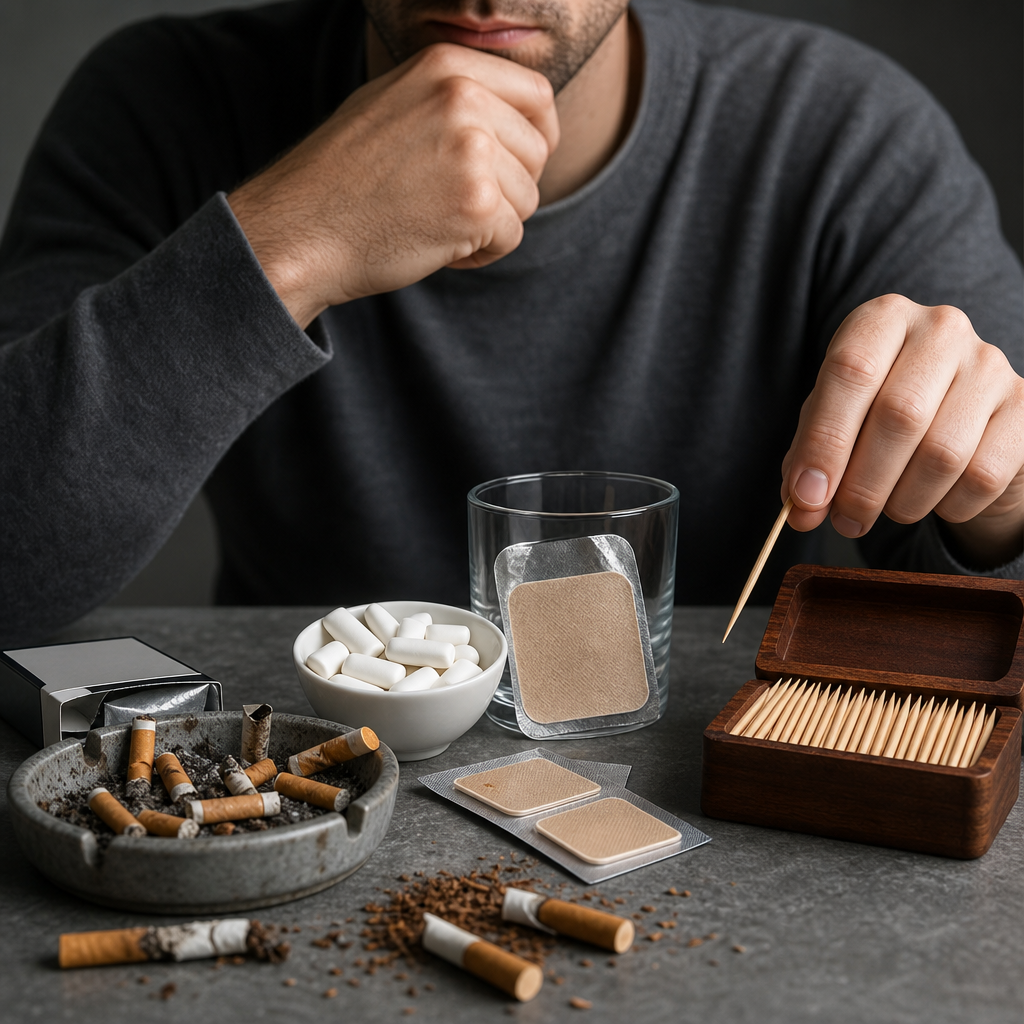
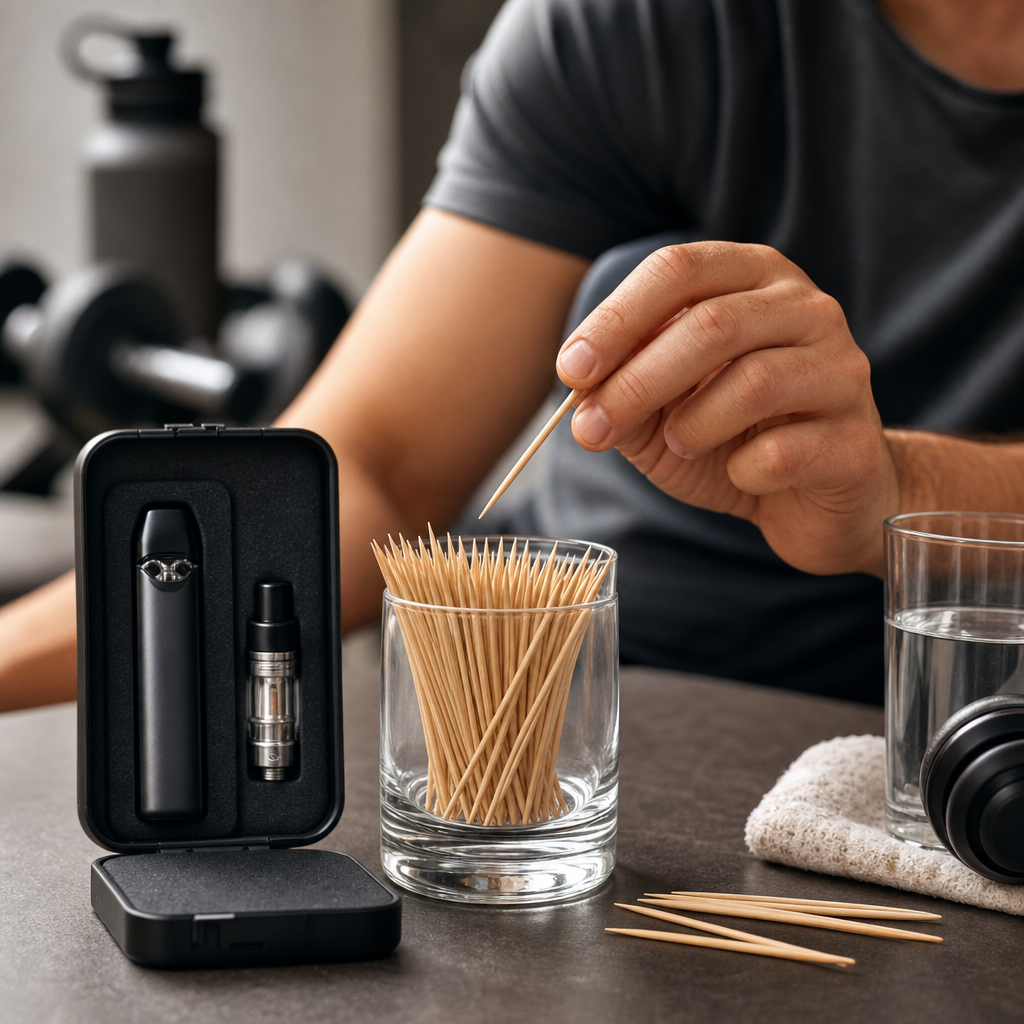
The functional benefits compound the psychological wins. If your toothpick includes caffeine or B-vitamins, you'll notice improved focus and stable energy. If it's designed for nicotine cessation support, you'll experience reduced cravings for cigarettes or vaping. Fresh-breath formulations leave you feeling cleaner and more confident. These tangible benefits reinforce the habit loop, making the new behavior self-perpetuating.
Actionable takeaway: Track your cravings and energy levels for one week before starting, then again after four weeks of consistent use. The measurable improvement reinforces the habit and motivates continued use.
Getting Started with Your Flavor-Based Habit Reform
Beginning your habit reform requires a clear plan rather than vague intentions. Start by identifying your specific sugar snacking pattern: when it happens, what triggers it, and what you're hoping to experience (sweetness, oral engagement, energy boost, emotional comfort).
Once you've identified your pattern, select a functional flavor tool aligned with your primary goal and flavor preference. If you crave sweet flavors, start with our standard sweet-flavored options. If you need maximum oral stimulation intensity, begin with Sourz. If afternoon energy crashes are your trigger, prioritize a caffeine-infused formulation.
Purchase enough supply to last at least two weeks. Habit formation requires consistent repetition, and running out mid-process means you'll likely default back to the old behavior. Two weeks is the minimum threshold for your brain to begin recognizing the new pattern as an alternative pathway.
Create a specific plan for when and where you'll use your toothpick. Rather than waiting until you have an intense craving, use it proactively at the times you historically reached for sugar. This prevents the craving from building intensity and makes the transition feel more natural. For example, if you always grabbed candy at 3 PM, use your toothpick at 2:45 PM instead.
Place your toothpicks in visible, accessible locations: your desk at work, your car, your purse or bag. Convenience is critical to habit formation. If the tool is harder to access than your old behavior, you'll default to the familiar option.
Finally, be patient with yourself during the transition. Habit formation is a neurological process that takes time. You might still experience cravings for the first week or two as your brain adjusts. That's normal. The cravings will diminish as your new neural pathway strengthens through repeated use.
Actionable takeaway: Schedule a specific time tomorrow to place your first order. Waiting for "the right moment" typically means never starting. Begin immediately and adjust as needed.
Your Path to Sustainable Snacking Freedom
Breaking a sugar snacking habit isn't about achieving perfection or never wanting sweets again. It's about building a new automatic response that serves your long-term wellness while still satisfying the sensory and emotional needs that drove the old behavior.
The framework works because it respects both your neurology and your humanity. Your brain evolved to seek pleasure and comfort through food; that's not a character flaw. Your brain also has remarkable neuroplasticity, meaning it can form new habits just as readily as it formed old ones if given the right tools and consistent practice.
By choosing a functional flavor solution that delivers genuine sensory satisfaction, extended duration, and functional benefits aligned with your goals, you're setting yourself up for real, sustainable change. You're not fighting your biology; you're redirecting it.
The path forward is clear: identify your specific pattern, select your tool, commit to consistent use for at least two weeks, and observe the shifts in your energy, cravings, and sense of control. After a month, the new habit begins feeling automatic. After two months, you might genuinely forget that you ever craved sugar with the same intensity.
We're here to support you through this transition with products designed specifically for habit reformers like you. Explore our options, choose what aligns with your goals, and begin today. Real snacking freedom is possible when you have the right tools.