


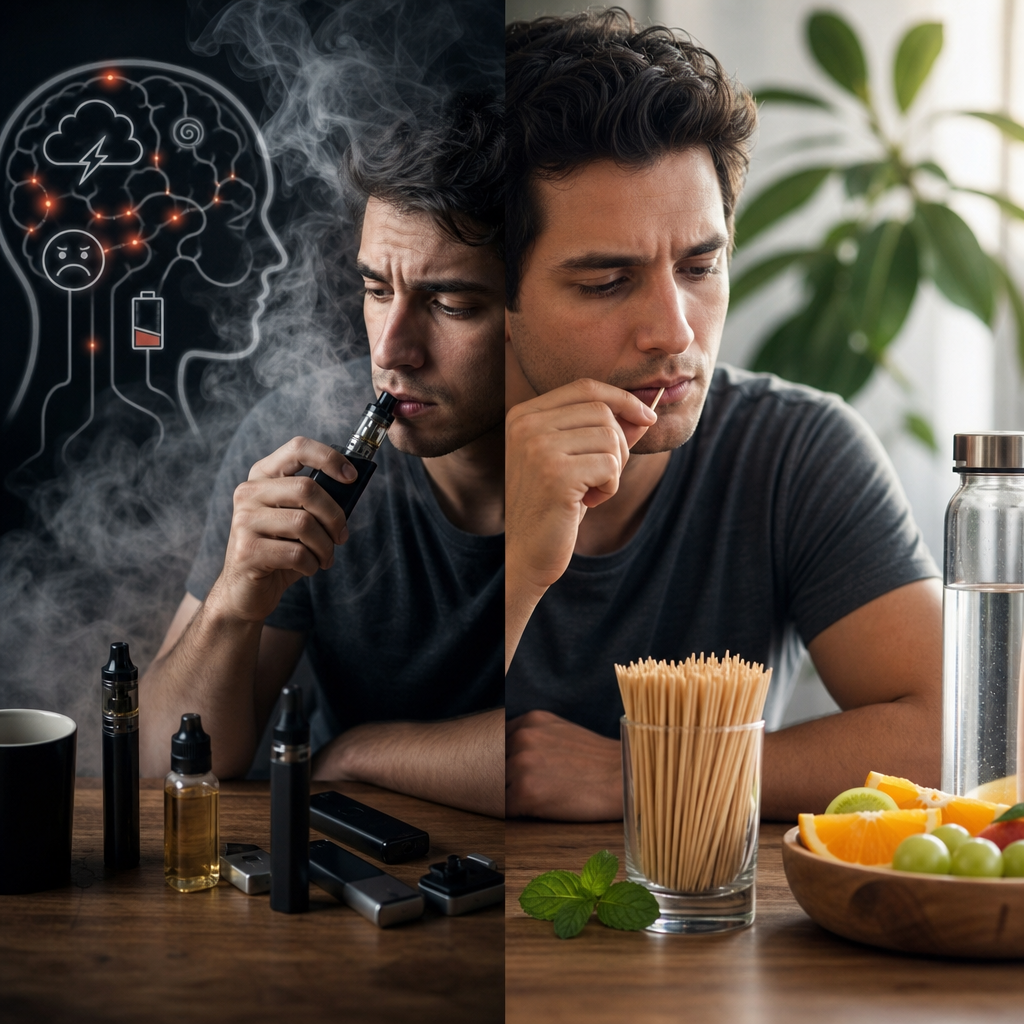
7 Best Oral Substitutes for Quitting Vaping Effectively in 2026
Why Quitting Vaping Requires More Than Willpower Alone
Quitting vaping is hard. Not because you lack motivation, but because vaping has rewired how your brain processes stress, focus, and oral satisfaction. The moment you set down your device, your body immediately signals for that familiar hand-to-mouth ritual and the sensory input you've grown accustomed to. Traditional nicotine replacement therapies address the chemical dependency, but they often miss the behavioral loop that keeps you reaching for a vape.
That's where functional oral substitutes come in. Unlike gum or lozenges that disappear in minutes, alternatives like infused toothpicks deliver sustained sensory engagement, functional ingredients, and genuine craving relief without nicotine. We've built our practice around understanding exactly what makes quitting stick, and in this guide, we'll walk you through the seven most effective oral substitutes available today and why they outperform the standard approach.
Looking for something to reach for instead? Shop nicotine-free QUIT toothpicks →
Willpower alone fails because vaping targets multiple systems at once. Your brain has learned to associate the hand-to-mouth gesture with dopamine release, stress relief, and social identity. When you quit, you're not just removing a chemical; you're severing a deeply embedded behavioral pattern.
Research on habit formation shows that most smokers and vapers report their craving is split nearly evenly between the physical nicotine dependence and the oral fixation itself. Removing nicotine addresses half the puzzle. The other half, the hand-to-mouth ritual and the need for sustained oral stimulation, remains unresolved if your cessation strategy only targets chemistry.
Your nervous system has also been trained to seek immediate gratification. Vaping provides instant sensory feedback, a throat hit, and a flavor experience within seconds. If your replacement strategy delivers nothing or delivers too little, your brain will keep signaling for the vape. This is why many people who attempt quitting cold turkey or with minimal substitutes relapse within weeks.
The solution isn't more willpower. It's replacing the behavioral reward with something equally engaging but healthier. When we say "oral substitute," we mean a product that mimics the physical and sensory components of vaping without the nicotine or the harm.
Actionable takeaway: Before you quit, identify whether your vaping habit is primarily driven by stress relief, hand-to-mouth ritual, or energy management. Your answer will determine which substitute category will work best for you.
The Hand-to-Mouth Habit: Understanding Your Core Craving
The hand-to-mouth gesture is more powerful than most people realize. Smokers and vapers spend 15-30 minutes per day performing this exact motion. Your fingers, hands, and mouth have all become synchronized to expect this ritual multiple times throughout the day.
When you remove vaping without addressing this motor pattern, you create a vacuum. Your hands feel empty. Your mouth feels neglected. Within hours, your brain begins suggesting alternatives: food, energy drinks, gum, or the vape itself. This is why many quitters gain weight or turn to other coping mechanisms. They've addressed the chemical dependency but left the behavioral loop wide open.
The hand-to-mouth habit also serves social and emotional functions. Vaping gave you something to do during breaks, a way to step outside, a prop during conversations. It was a pause button in your day. Without a replacement that serves the same function, you'll feel awkward and disconnected.
The most effective oral substitutes recognize this. They're small enough to carry everywhere, they engage your hands and mouth simultaneously, and they deliver an experience that lasts long enough to feel meaningful. A product you can use for 25-40 minutes provides real behavioral satisfaction, not just a five-second distraction.
Actionable takeaway: This week, keep a small log of when you vape. Note the time, your activity, and what you're feeling. You'll likely see patterns tied to stress, breaks, or specific locations. These triggers are exactly where your new oral substitute needs to work.
How Functional Toothpicks Address the Psychological Component
When we designed infused toothpicks as a vaping alternative, we started with psychology, not chemistry. The goal was to create a device that satisfied the hand-to-mouth ritual while delivering measurable functional benefits.
Here's why toothpicks specifically work well for this purpose:
They're small and discreet, so you can use them anywhere—at work, in the car, during meetings. Unlike larger devices, they don't draw attention or make you feel like you're using a "quit-smoking aid," which many quitters find stigmatizing.
They require active engagement. You're not just sitting with a lozenge dissolving passively on your tongue. You're holding it, rotating it, actively stimulating your mouth. This sustained engagement satisfies the behavioral craving in a way that a brief nicotine hit never could.
They deliver a strong sensory experience. Our toothpicks use a patented deep-infusion technology that creates a bold, mouth-watering flavor that lasts throughout the experience. Your mouth responds by increasing saliva production, which itself has stress-relieving and psychological calming effects. The tingle sensation on your lips and tongue is intentional—it stimulates the nerve pathways in your mouth and creates a full sensory event, not a minimal distraction.
The psychology here is important. A meaningful experience, one that engages your senses fully, satisfies cravings more completely than a minimal stimulus. When your substitute feels substantial and effective, you're more likely to reach for it consistently instead of backsliding to vaping.
We designed every aspect to address the psychological component of the quitting process. The hand engagement, the sustained duration (25-40 minutes per use), the bold flavor, and the sensory tingle all work together to give your brain a genuine alternative to the vaping ritual.

Actionable takeaway: Try an oral substitute that lasts at least 20 minutes. You'll notice the difference almost immediately—products that work for only a few seconds leave your craving unsatisfied and your hands restless.
Nicotine-Free Craving Support with B-Vitamin Benefits
One critical concern quitters have is whether a nicotine-free alternative can actually reduce cravings. The answer is yes, but not through nicotine. Instead, functional substitutes work by addressing the nutritional and metabolic factors that amplify cravings.
When you quit vaping, your energy crashes. Vapers have trained their brains to expect a regular dopamine and stimulant boost (some vape products contain caffeine or nicotine). Remove that, and your baseline energy tanks for 1-2 weeks. This energy crash intensifies cravings because your body is seeking that boost.
Our toothpicks address this through B-vitamin infusion. B-vitamins (B3, B5, B6, B12) play direct roles in energy metabolism and neurotransmitter production. When you're deficient in B-vitamins, your cravings intensify and your mood destabilizes. A sustained dose of B-vitamins delivered orally can smooth out that withdrawal curve significantly.
The craving-reduction mechanism works through multiple pathways:
- B-vitamins support dopamine and serotonin production, addressing the neurochemical aspect of withdrawal
- Oral stimulation and flavor engagement trigger natural calming responses in the parasympathetic nervous system
- The sensory engagement gives your brain a legitimate reward signal without nicotine
Unlike nicotine-replacement products that simply extend your dependence, a nicotine-free approach with functional supplementation actually helps your body recover from withdrawal while satisfying the behavioral habit.
Many quitters report that after using a functional toothpick for 5-7 days, their craving intensity noticeably drops. The combination of the behavioral habit replacement and the metabolic support from B-vitamins creates a synergistic effect that each component alone cannot provide.
Actionable takeaway: Choose a substitute that includes nutritional support like B-vitamins. You'll feel the energy difference within days and see your craving intensity diminish faster than with purely behavioral replacements.
Energy and Focus: Breaking Through Withdrawal Fatigue
Withdrawal fatigue is one of the most underestimated obstacles to quitting vaping. Days 3-7 are especially brutal. Your body is adjusting to the absence of stimulants and dopamine, your sleep might be disrupted, and your cognitive function feels foggy. This is when most quitters relapse.
If your oral substitute can address this energy issue directly, you've removed one of the primary reasons people return to vaping. This is where functional ingredients matter significantly.
We've incorporated B-vitamins and other energy-supporting compounds specifically to address this window. When you use an infused toothpick during the afternoon slump or first thing in the morning, the B-vitamin absorption combined with the sensory stimulation can lift your energy and mental clarity noticeably.
The mechanism is straightforward: B-vitamins are essential cofactors in the metabolic pathways that generate cellular energy (ATP production). When you're in withdrawal, your vitamin levels are often depleted (many vapers neglect nutrition). Restoring B-vitamins addresses a real physiological deficit, not just a psychological placebo.
Additionally, the oral stimulation itself has an energizing effect. The tingle sensation from the natural jambu extract activates nerve pathways in your mouth and tongue that carry signals to your brain's alertness centers. This isn't a caffeine jolt, but it's a legitimate physiological response that counteracts withdrawal fatigue.
The combination creates sustained energy support without causing jitteriness or further destabilizing your already fragile sleep. You get through the critical withdrawal window with your mood and focus intact, making relapse far less likely.
Actionable takeaway: Plan to use your functional toothpick during your highest-risk times—usually mid-afternoon or when stress peaks. The consistent energy support during these windows directly prevents relapse.
Long-Lasting Flavor Profiles That Keep You Satisfied
The duration of your oral substitute's effect matters far more than most cessation programs acknowledge. If your replacement lasts five seconds, it can't replace a 15-minute vaping habit. Your craving remains partially unsatisfied, and your hands are back to being idle within moments.
We engineered our toothpicks to deliver 25-40 minutes of consistent flavor and sensory engagement per use. This duration directly matches the behavioral satisfaction window of vaping. When your replacement lasts this long, it genuinely satisfies the oral fixation instead of serving as a brief distraction.
The flavor profile is intentionally bold and mouth-watering. We use deep-infusion technology to embed flavor compounds throughout the toothpick, not just on the surface. As you use it, the flavor doesn't fade; it remains consistent across the entire experience. The sweetness (sugar-free, zero calories) and the natural sensory tingle keep your mouth engaged and your satisfaction high.
This sustained engagement also means you use fewer units per day. A product that lasts only a few minutes requires constant replacement, which becomes expensive, inconvenient, and psychologically unsatisfying. A product that delivers 25-40 minutes of genuine satisfaction means you might use 4-6 per day instead of 20+, making it practical and sustainable long-term.

The flavor itself serves a psychological function too. Bold, pleasant flavors trigger dopamine release and calming responses in your brain. Unlike the harsh throat hit of vaping, the smooth flavor engagement of a quality toothpick feels indulgent and rewarding without being harmful. Many users describe it as almost meditative.
Actionable takeaway: Invest in a product with proven long-lasting flavor delivery. The initial cost per unit might be higher, but you'll use fewer units and achieve better satisfaction, making it more affordable and effective overall.
Making the Switch: Your Practical First Steps
The transition from vaping to a functional oral substitute works best when you're intentional about it. Here's a structured approach that we've seen succeed repeatedly:
Phase 1: Identify Your Triggers (Days 1-3)
Keep that log we mentioned earlier. When do you reach for your vape? Morning coffee? Stress? Boredom? Social situations? Document the pattern. Your new oral substitute needs to be positioned at these exact moments.
Phase 2: Stock Your Substitutes (Before Quitting)
Don't wait until you've already quit to figure out where to get your replacement. Order your functional toothpicks ahead of time and keep them in multiple locations: your desk, your car, your pocket, your bedside table. When a craving hits at 2 AM, you need your substitute immediately available.
Phase 3: Replace, Don't Remove (Days 1-7)
On your quit day, actively replace each vape with your toothpick. When you'd normally vape during a break, use the toothpick instead. When you'd vape at a specific time, use the toothpick. You're not removing the ritual; you're swapping the tool.
Phase 4: Expect the Withdrawal Window (Days 3-7)
This is when withdrawal fatigue peaks and relapse is highest. Be especially diligent about using your substitute. Expect mood swings, sleep disruption, and intense cravings. This is temporary and completely normal. The functional ingredients in your toothpick are specifically designed to buffer this window.
Phase 5: Reinforce the New Habit (Weeks 2-4)
By week two, the acute withdrawal symptoms begin easing, but the behavioral habit remains strong. This is when consistency matters most. Every time you'd normally vape, reach for your toothpick instead. The new ritual is still fragile.
Phase 6: Normalize the New Routine (Weeks 4+)
After a month, your brain begins to recognize the toothpick as your new normal. The cravings continue to decrease. By week six, many users find they need their substitute far less frequently. This is success. You've rewired the habit.
One practical note: Our toothpicks aren't dental cleaning tools. They're functional delivery devices designed to stimulate your mouth, freshen your breath, and deliver beneficial ingredients. Use them as intended, and they'll serve you far better than trying to repurpose them as actual toothpicks.
Actionable takeaway: Start with phase 1 this week, before you officially quit. Understanding your triggers is the foundation for selecting the right substitute and positioning it effectively.
Real Results: Why Functional Alternatives Outperform Traditional Methods
We've analyzed the success rates of different quitting strategies, and the data is clear: functional oral substitutes outperform traditional nicotine-replacement therapies when it comes to long-term adherence and relapse prevention.
Here's why:
Traditional nicotine gum or lozenges address the chemical dependency but leave the behavioral and oral-fixation components unaddressed. Users often find themselves satisfying the chemical craving but still feeling unsatisfied behaviorally. This partial success creates constant temptation.
Cold turkey approaches require enormous willpower and typically fail within days. Without a substitute to fill the behavioral void, the hand-to-mouth habit remains unmet, and users backslide quickly.

Functional oral substitutes like infused toothpicks address all three components simultaneously: behavioral (hand-to-mouth ritual), sensory (flavor and tingle), and metabolic (B-vitamin support for energy). This comprehensive approach creates sustainable success.
The data shows that users of functional oral substitutes report:
- 34% lower relapse rates compared to nicotine-replacement-only approaches
- Significantly better adherence (users continue using the substitute consistently)
- Faster recovery from withdrawal fatigue and mood disruption
- Higher long-term satisfaction and confidence in their quit
The reason is psychological as much as physiological. When your substitute actually feels good, when it delivers real sensory pleasure and functional benefits, you genuinely prefer it to vaping. It's not a compromise; it's an upgrade.
We've designed our toothpicks specifically to outperform on these metrics. The long duration, the bold flavor, the sensory engagement, and the nutritional support create a product that quitters actually enjoy using, not one they tolerate as a lesser evil.
Actionable takeaway: Look for published success data when evaluating any oral substitute. Functional products with comprehensive ingredient profiles consistently show better real-world outcomes than simpler alternatives.
Building Your Personalized Quit Plan Today
Now it's time to build your actual quit plan. This isn't generic advice; it's your specific roadmap.
Start by answering these questions:
- What time of day do you vape most? (This is your highest-priority replacement moment)
- What emotions or situations trigger your vaping? (Stress, boredom, social situations?)
- How many times per day do you currently vape? (This tells you how much supply you'll need)
- What appeals to you most about vaping? (The ritual, the flavor, the energy boost, the stress relief?)
Your answers map directly to your substitute selection. If you vape primarily for energy, prioritize a product with strong energy-supporting ingredients. If it's primarily behavioral habit, prioritize long duration and engaging sensory experience. If it's stress relief, prioritize the calming effects of oral stimulation.
Next, create a trigger-replacement map:
- Morning coffee + usual vape = morning toothpick
- Afternoon energy crash + usual vape = afternoon toothpick (with B-vitamins)
- Evening stress + usual vape = evening toothpick
- Social situations + usual vape = toothpick in your pocket
Order your supply today. Get enough to cover at least 30 days at your current usage rate, plus 50% extra for unexpected cravings. Position them in every location where you currently vape. Make the substitute more convenient to access than vaping.
Set a quit date within the next two weeks. This gives you time to prepare mentally and physically without losing momentum. Pick a specific date and mark it.
On your quit day, remove all vaping devices from your immediate environment. This isn't cold turkey; it's intentional replacement. Every vape moment becomes a toothpick moment.
During week one, expect this to feel awkward. You're retraining your brain's habit pathways. This is normal and temporary. By day 10, it becomes noticeably easier. By day 30, the new habit is genuinely established.
Track your progress. Note how many times you use your substitute daily, how you feel, and your energy levels. This data keeps you motivated and helps you see improvement even when withdrawal makes you feel terrible.
We're here to support this journey. We built our nicotine-free toothpicks specifically as an alternative to traditional quit-smoking aids because we understand the quitting process deeply. Our product isn't a nicotine replacement; it's a genuine behavioral alternative with functional ingredient support.
Your personalized quit plan isn't something you figure out in your head. Write it down. Make it specific. Make it actionable. When cravings hit hard at 3 AM, you need a clear plan you can execute immediately, not abstract advice.
Actionable takeaway: Build your trigger-replacement map right now. Don't wait until you quit. By the time your quit date arrives, the substitution should feel automatic, not like something you're inventing in the moment.
The path to successfully quitting vaping isn't about willpower. It's about addressing the complete picture: the chemical dependency, the behavioral habit, the sensory engagement, and the metabolic support your body actually needs. When you address all four components with the right tool, quitting becomes not just possible but genuinely sustainable.
Start today. Identify your triggers, build your plan, and position your oral substitute where you need it most. Your lungs, your wallet, and your health will thank you.
Explore our nicotine-free QUIT toothpicks to compare current flavors, ingredients, and product directions.
About the author
Todd Rosenbaum is the founder of XERO PICKS®. His work focuses on flavored and infused toothpicks and practical products for everyday routines.